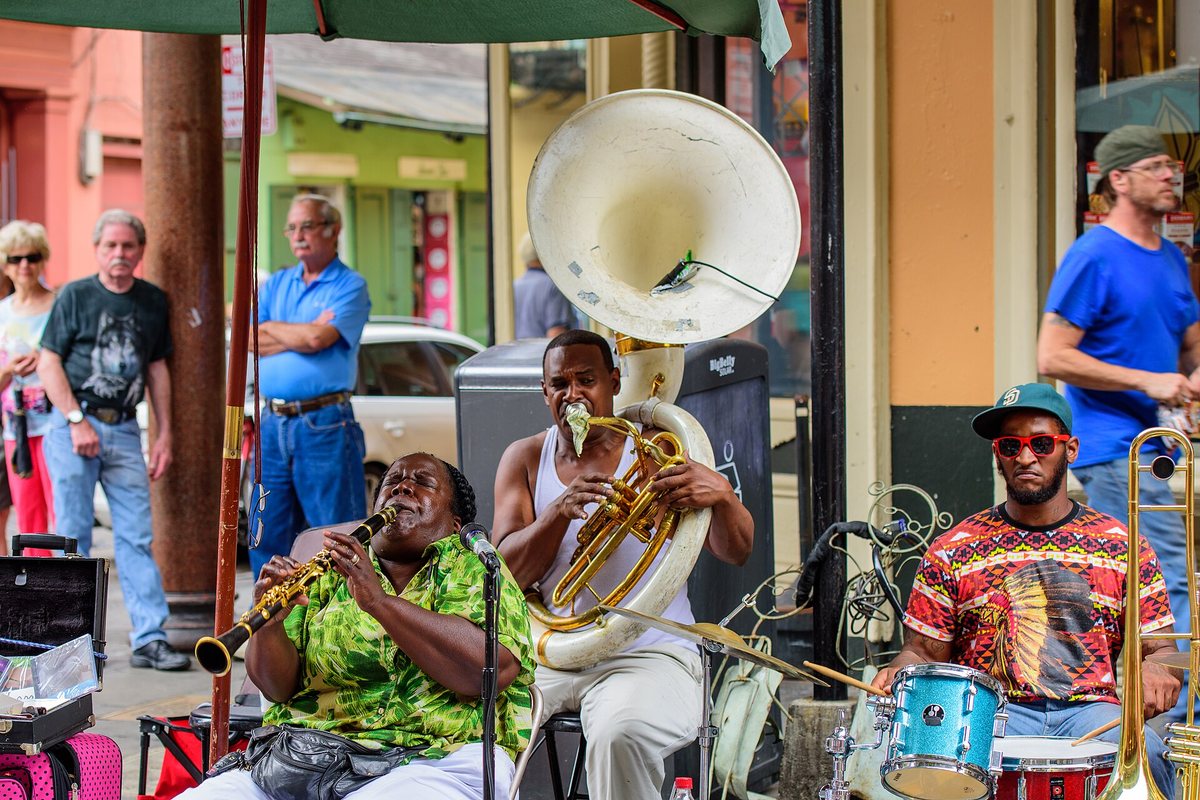
New Orleans: Jazz Before the Record
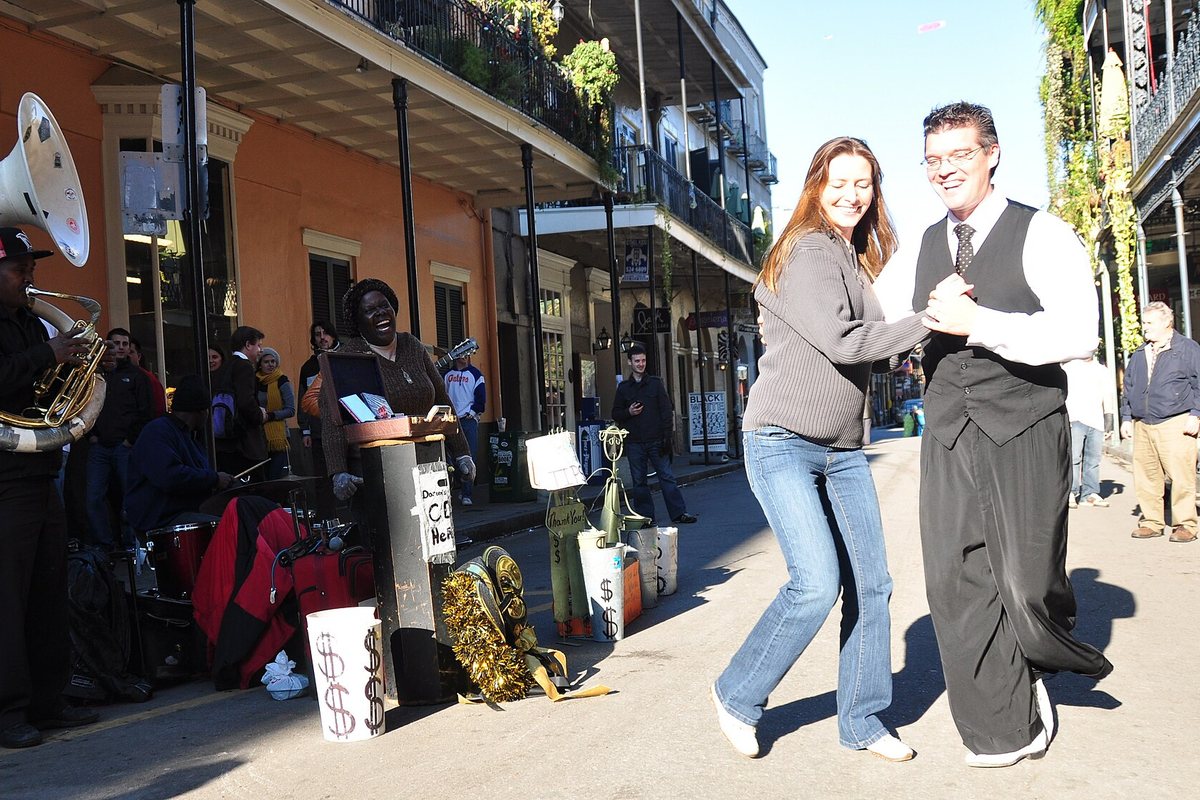
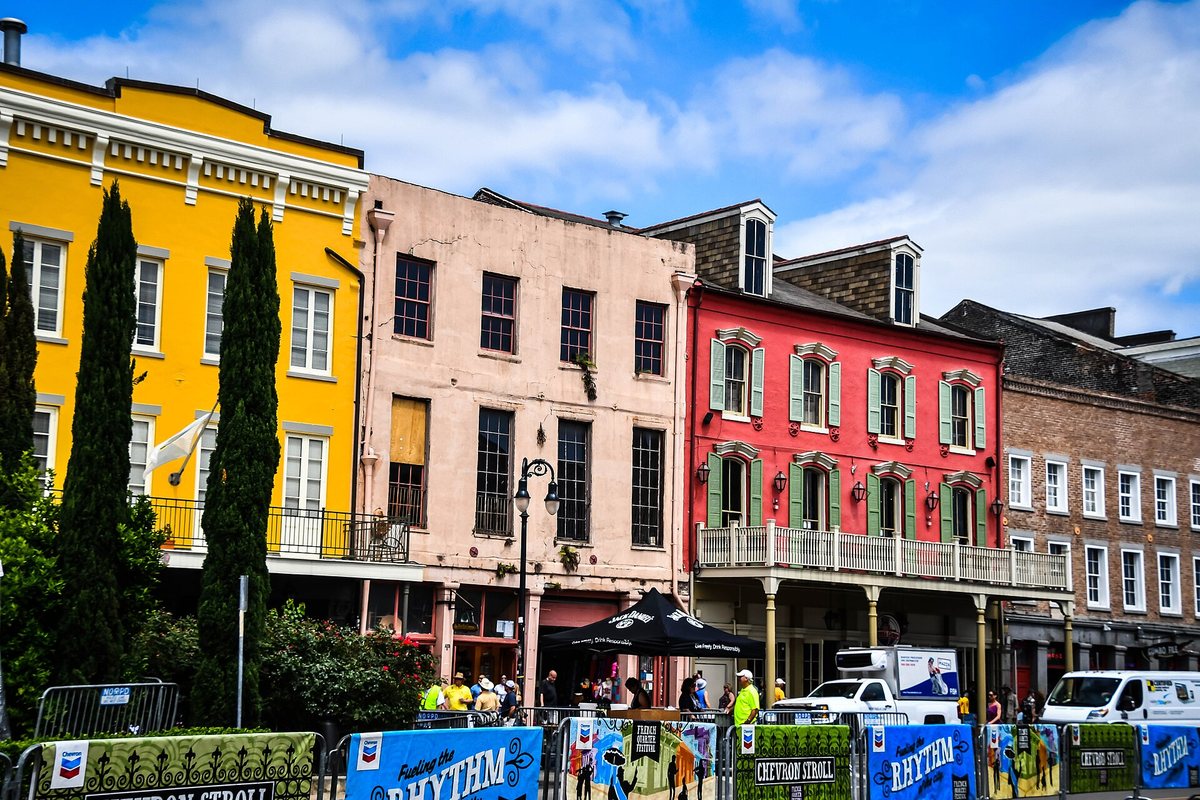
Long before jazz became something you could buy on a disc, it was something people made together.
City histories, close listening, and a few good reasons to take the longer way.
Long before jazz became something you could buy on a disc, it was something people made together.
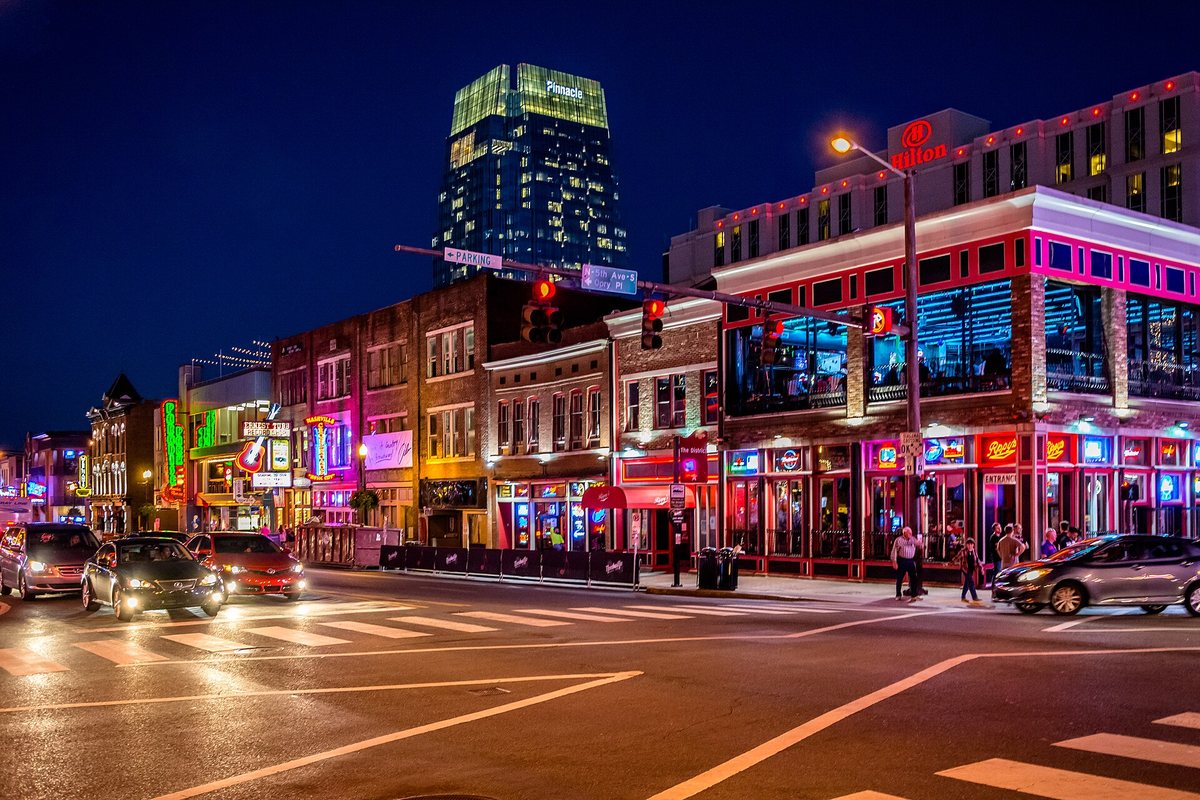
The Fisk Jubilee Singers offer a different starting point for Nashville's musical story.
At Stax, a former movie theater and its small record shop helped make a musical institution.
Detroit's Motown story begins with an address, a family loan, and the work of building a record company.
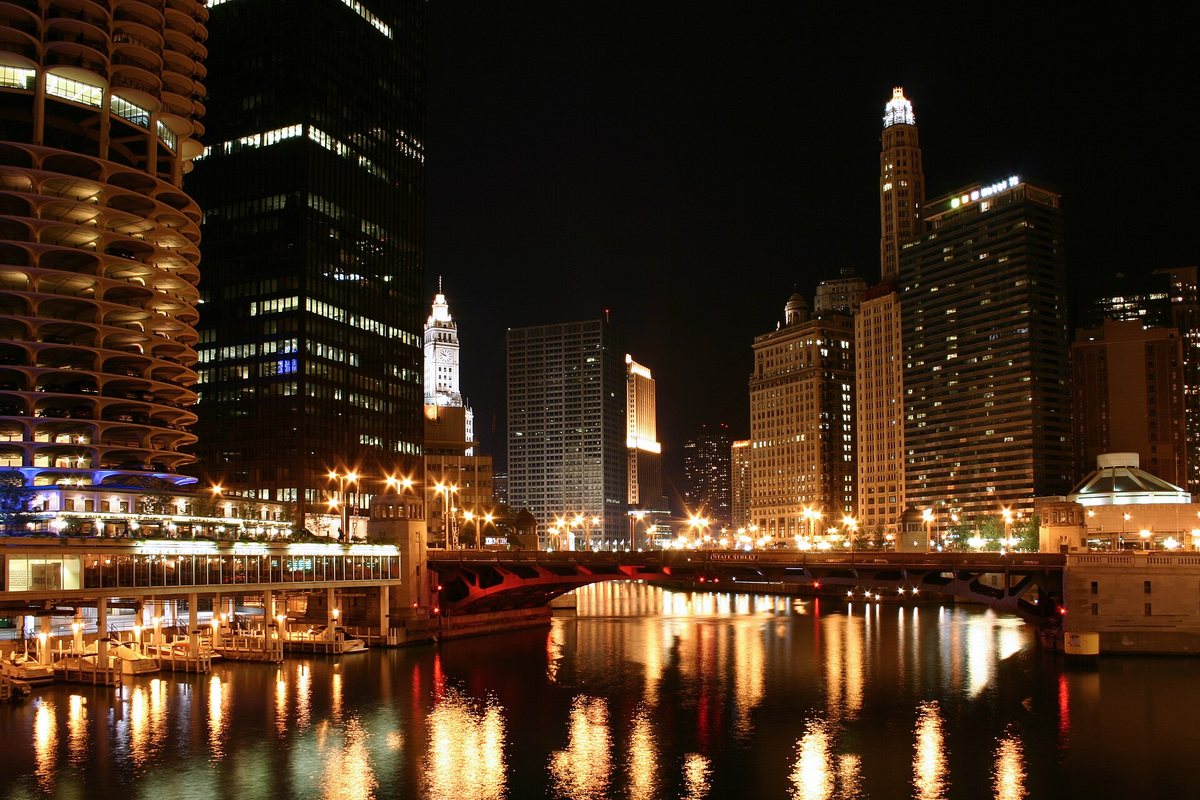
Migration, amplification, and working musicians helped reshape the blues in Chicago.
A Bronx party is a landmark in hip-hop history, and the surrounding community is part of the story.
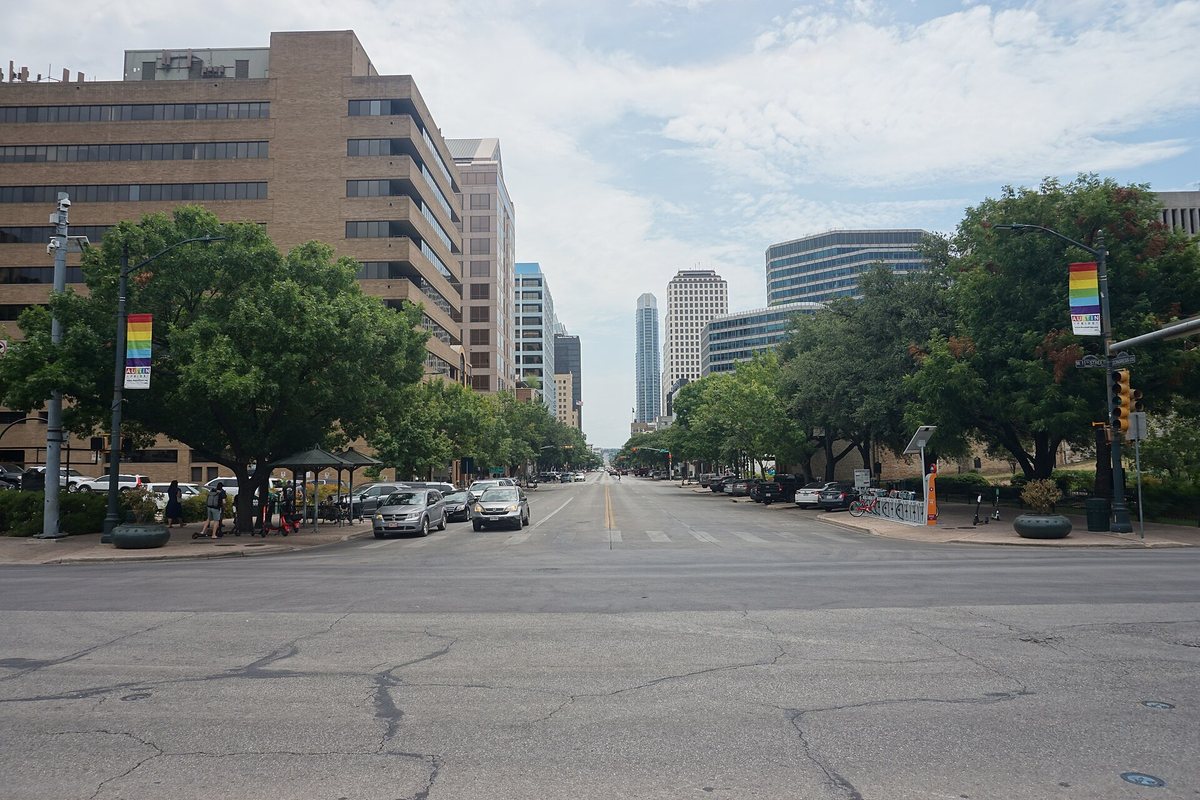
Austin's live-music identity contains more traditions than its most familiar slogan can hold.
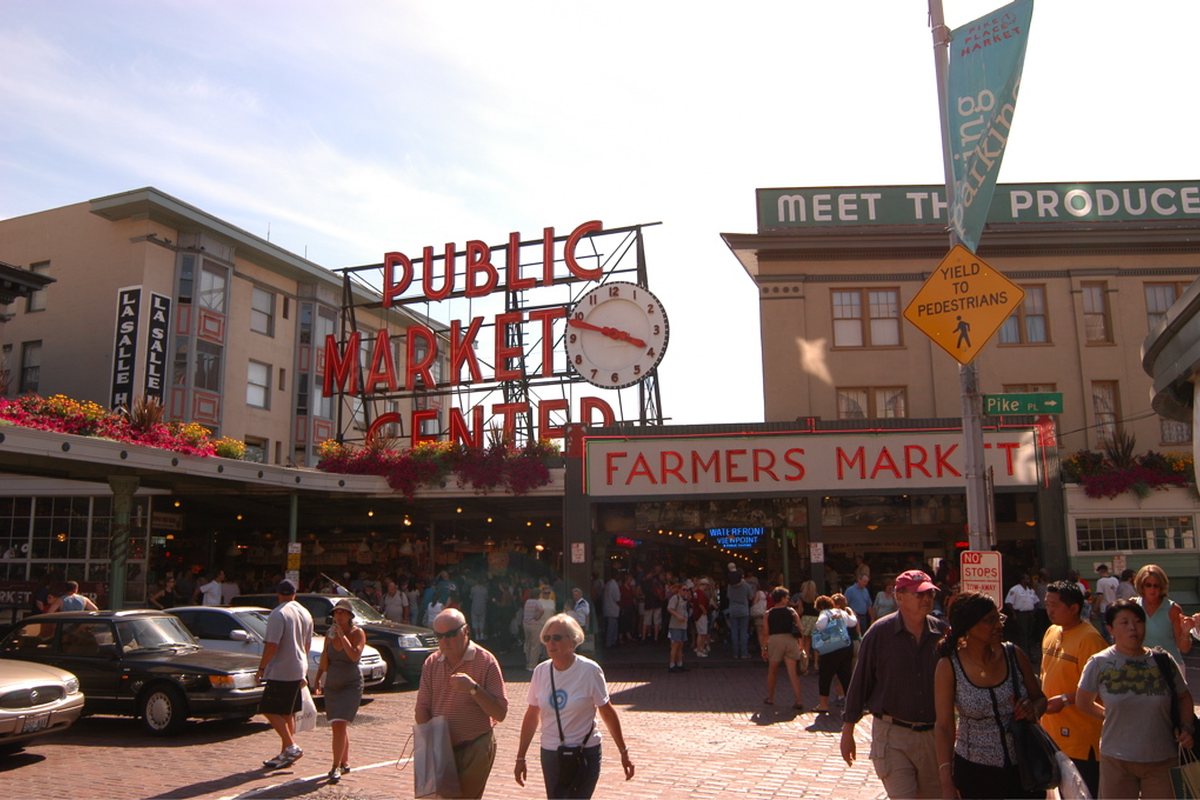
Seattle's grunge history is easier to hear when it is allowed to be history rather than a permanent costume.
Sound systems, shops, and radio reveal a London music history built through networks.
Before it became a destination for Beatles visitors, the Cavern was a place where bands did the work of playing.
Factory's visual identity makes Manchester a useful place to think about how music looks.
Bristol's radio and club histories reward listening beyond a single exportable genre.
The Liberties links choral history, a famous premiere, and musicians whose lives belong to the neighborhood.
Glasgow's musical character makes room for ensembles, festivals, and listeners with different starting points.
Fado's familiar association with longing is only one entrance into a living practice of music and poetry.
Voice, dance, guitar, and rhythm belong to the same conversation in flamenco.
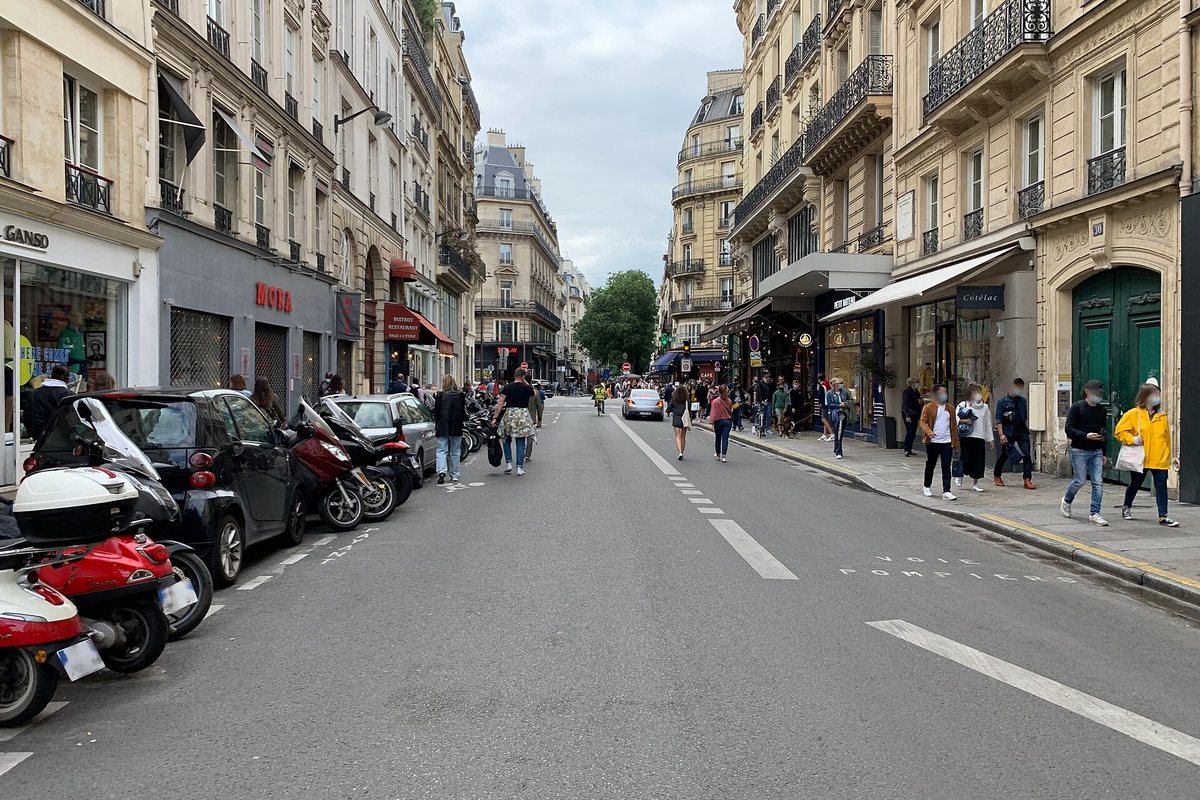
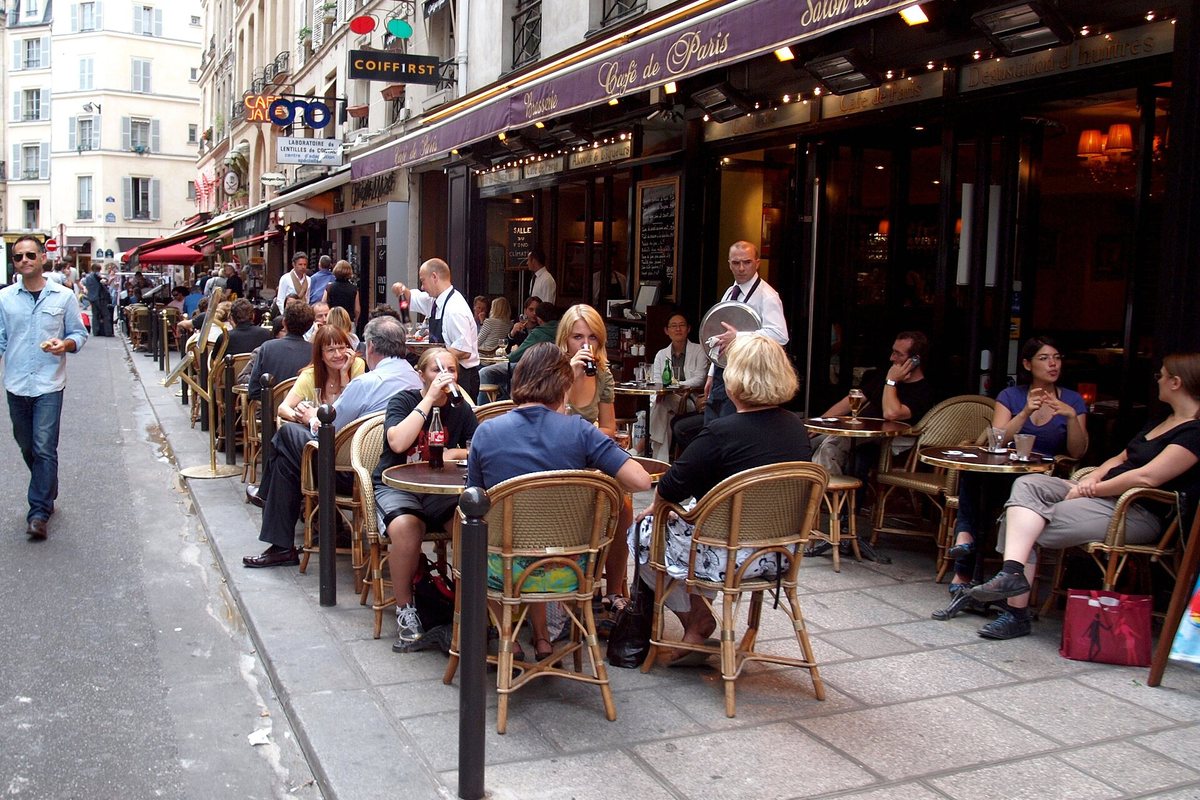
Paris's jazz history includes working artists and particular stages behind the glamorous imagery.
Following Mozart through Vienna means hearing a career as well as a canon.
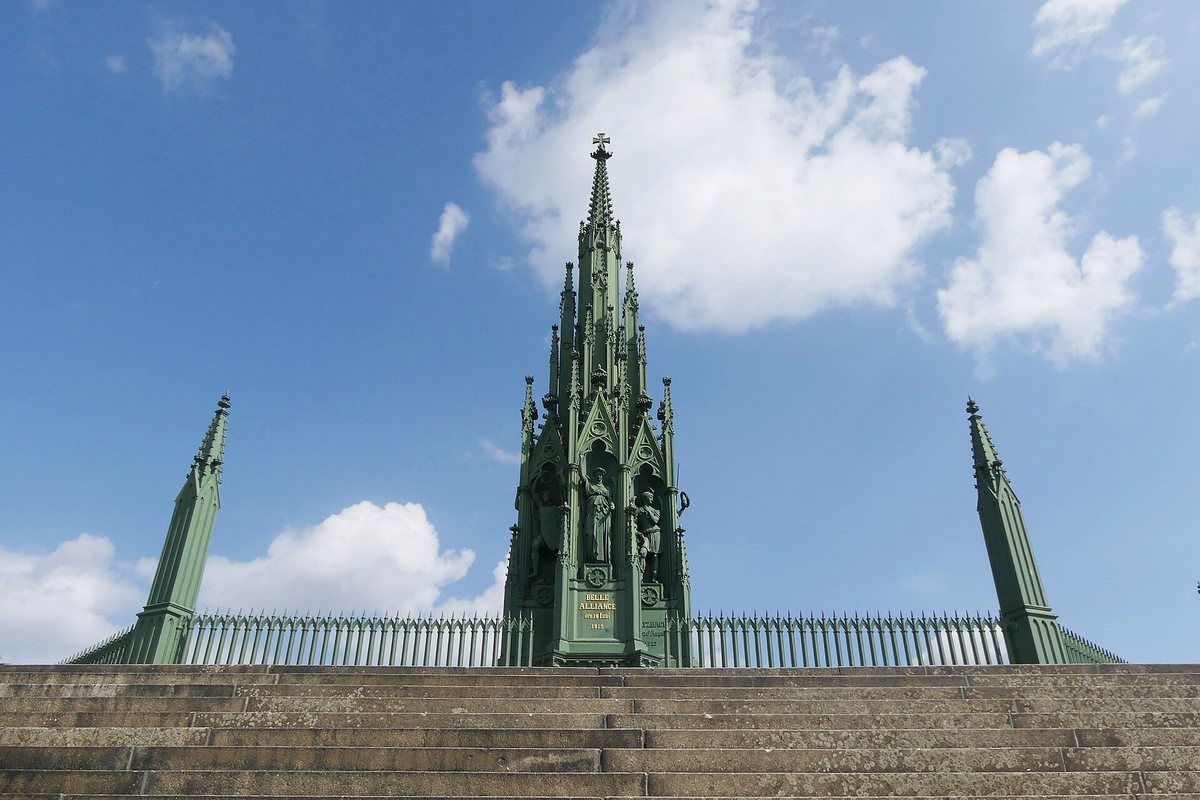
Berlin's techno history connects international musical influences with places where people gathered.
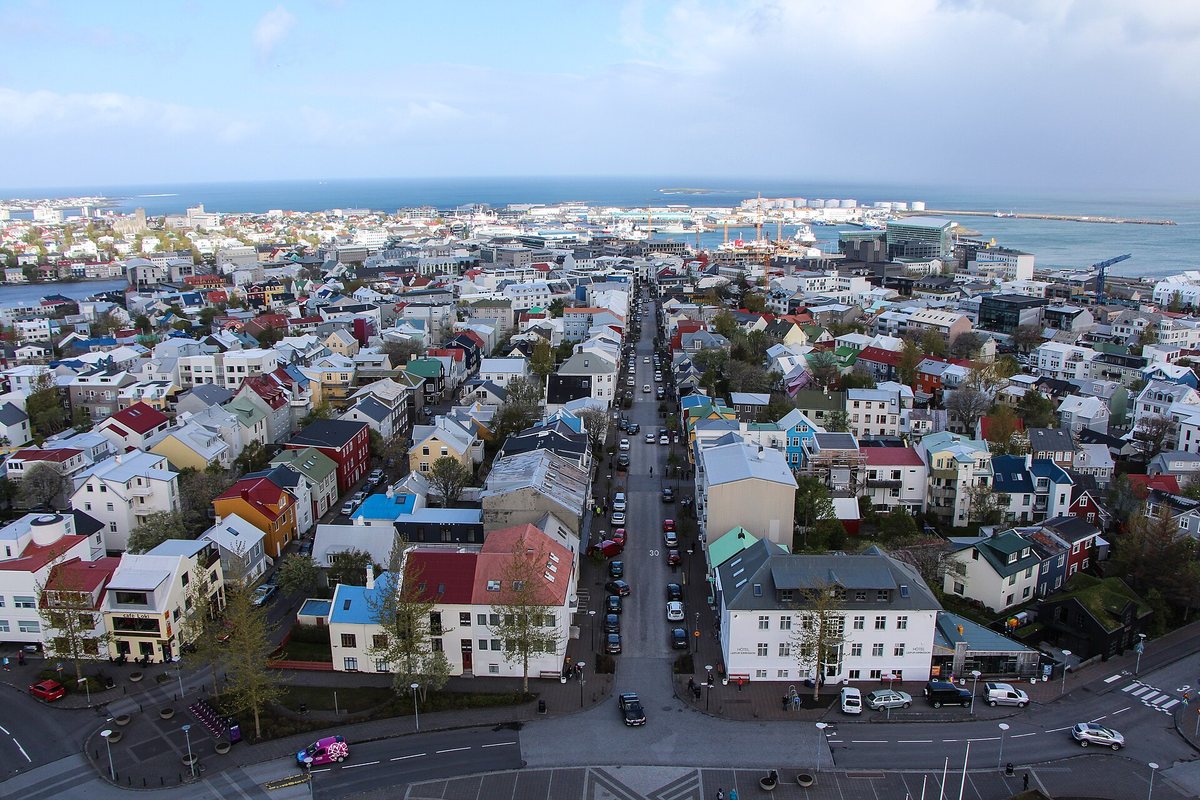
Reykjavik's musicians deserve to be heard beyond the easy comparison with Iceland's landscape.
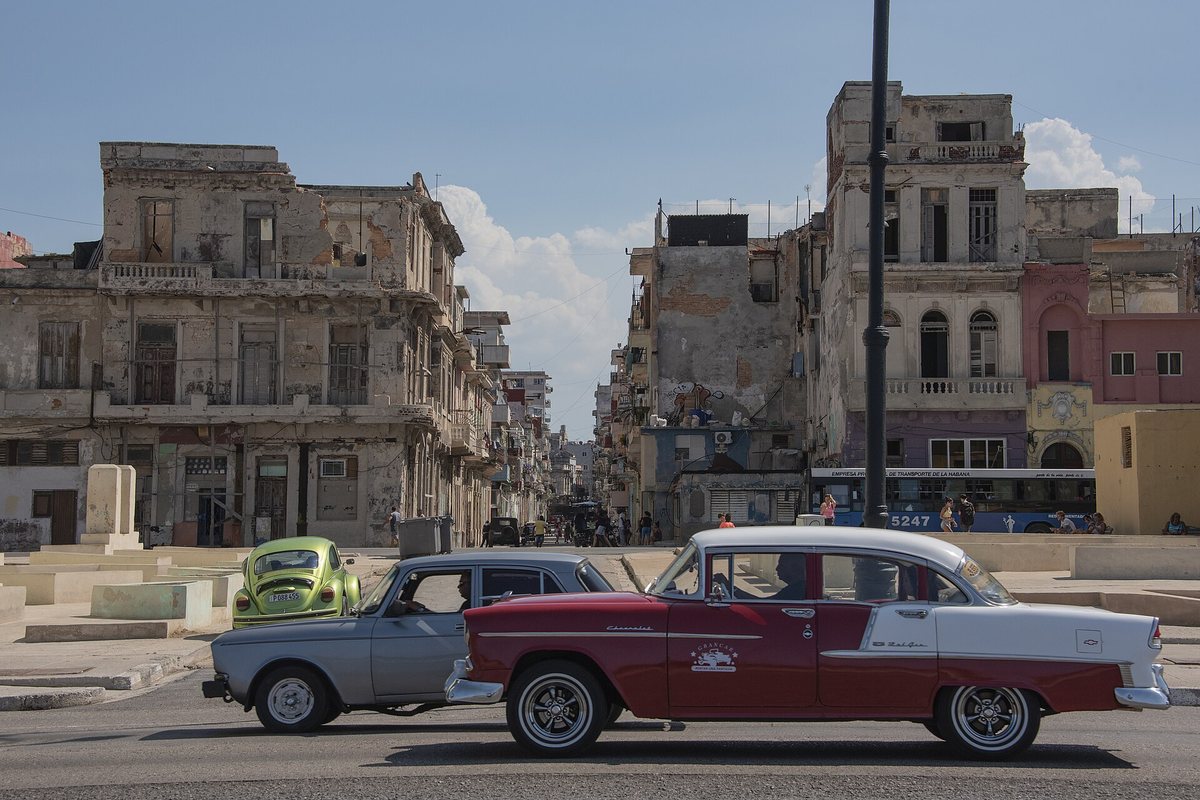
Rumba brings voice, percussion, gesture, and dance into an exchange that a postcard cannot summarize.
Reggae's rhythms carry social, spiritual, and emotional purposes as well as a recognizable groove.
Pedra do Sal connects Rio's samba story with Afro-Brazilian community memory and the port area.
Tango belongs to a shared Río de la Plata history, with Buenos Aires and Montevideo both in the frame.
Accra's highlife story includes changing styles and the careful work of preserving musical memory.
Mbalax reveals how Senegalese musicians recombined local rhythmic practices and international band sounds.
Istanbul's festival history shows how a city can build institutions for musical encounter.
Tokyo's listening cafés offer a reason to treat recorded music as the main event.
The best way into a city's music may be to stop treating the pavement as the space between destinations.
Tuning, a sip of water, a glance at a passing bus: the pauses belong to the performance too.
Watch the small negotiations between two musicians and a familiar tune becomes much more interesting.
Recognition gets your attention. What a performer does with it is the real reason to stay.
A good performance is worth remembering. That doesn't mean every encounter needs to become a clip.
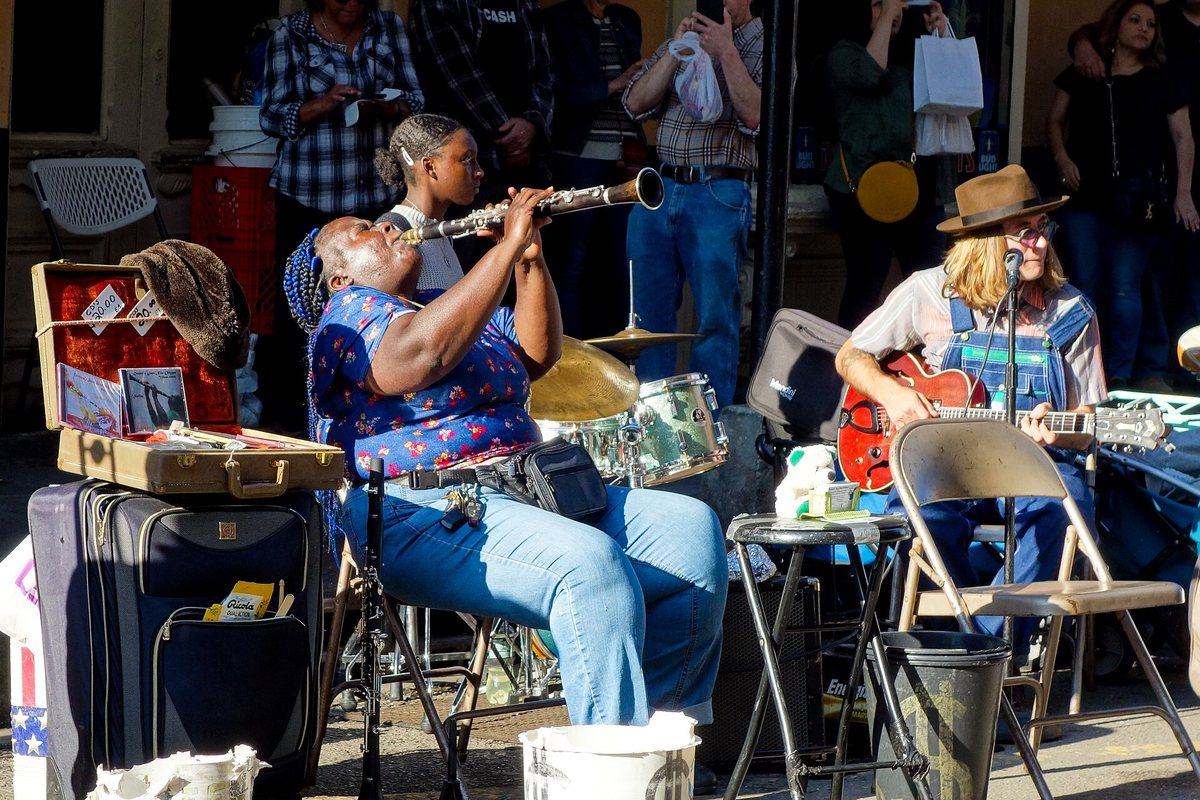
Listen to the contest between a bright instrument and an ordinary afternoon, then notice the moments when it isn't a contest at all.
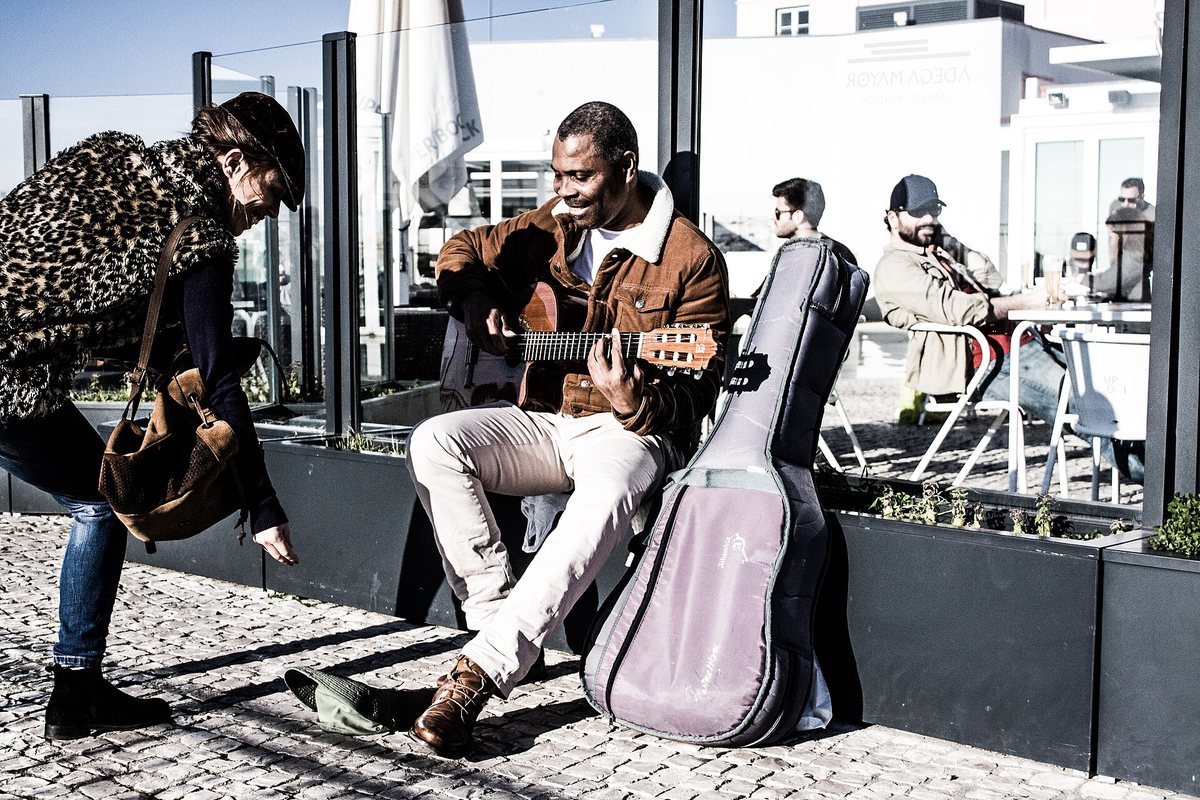
A contribution can acknowledge the work without turning a shared moment into a transaction you control.
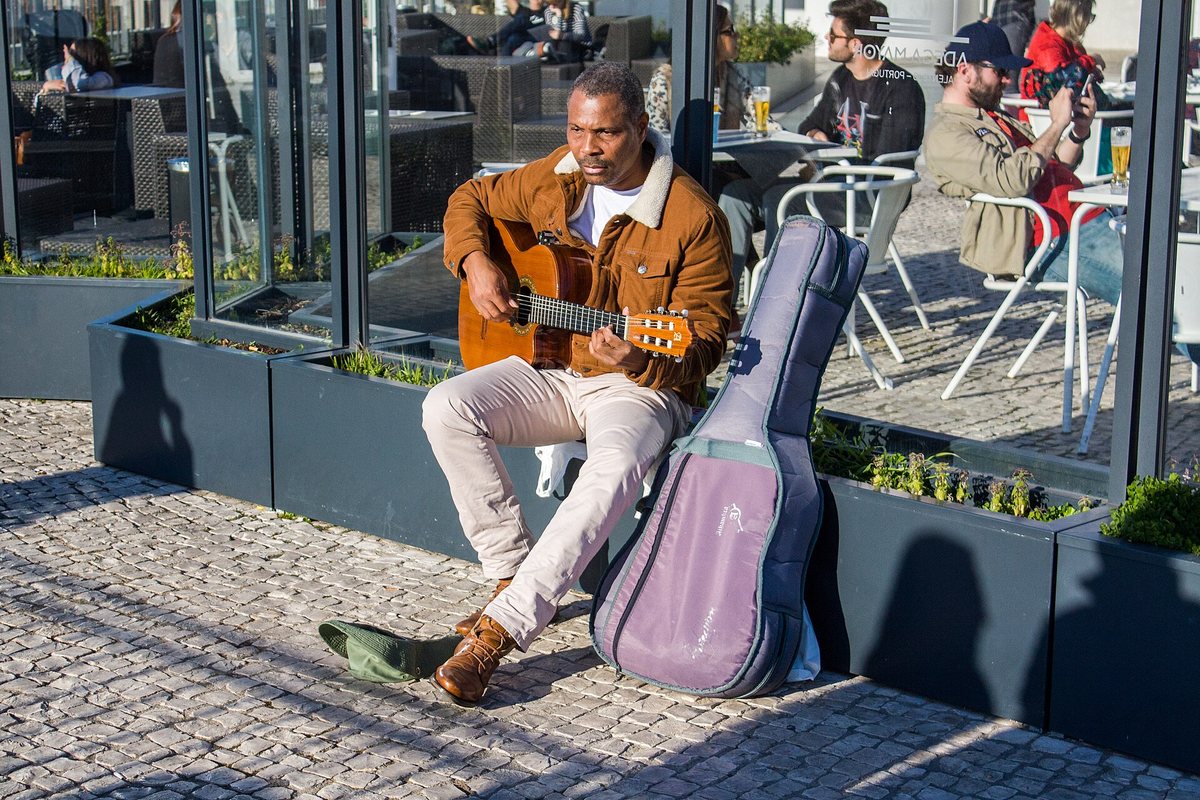
The instrument often arrives with a ready-made postcard in our heads. Try listening before choosing the picture.
Before joining a rhythm, spend a little time finding out how the gathering works.
Without a formal room around it, a familiar instrument can make you listen to different things.
Daylight performances have a different audience, a different pace, and their own reasons to stay.
The small negotiation between a performer and an audience that suddenly has a voice.
How to watch a street performance without making the street impossible for everyone else.
A few drops can change a performance before they change the sound.
Following the part that makes the rest of the street band fit together.
Why the end of a song sometimes needs one more second.
Listen from arrival to departure and a street set keeps changing around you.
Curiosity works best when it starts with listening and leaves room for an answer.
A sudden silence reveals how much work sits around amplified music.
Making room for delight without forgetting the person giving the performance.
Leaving can be a small act of attention, too.
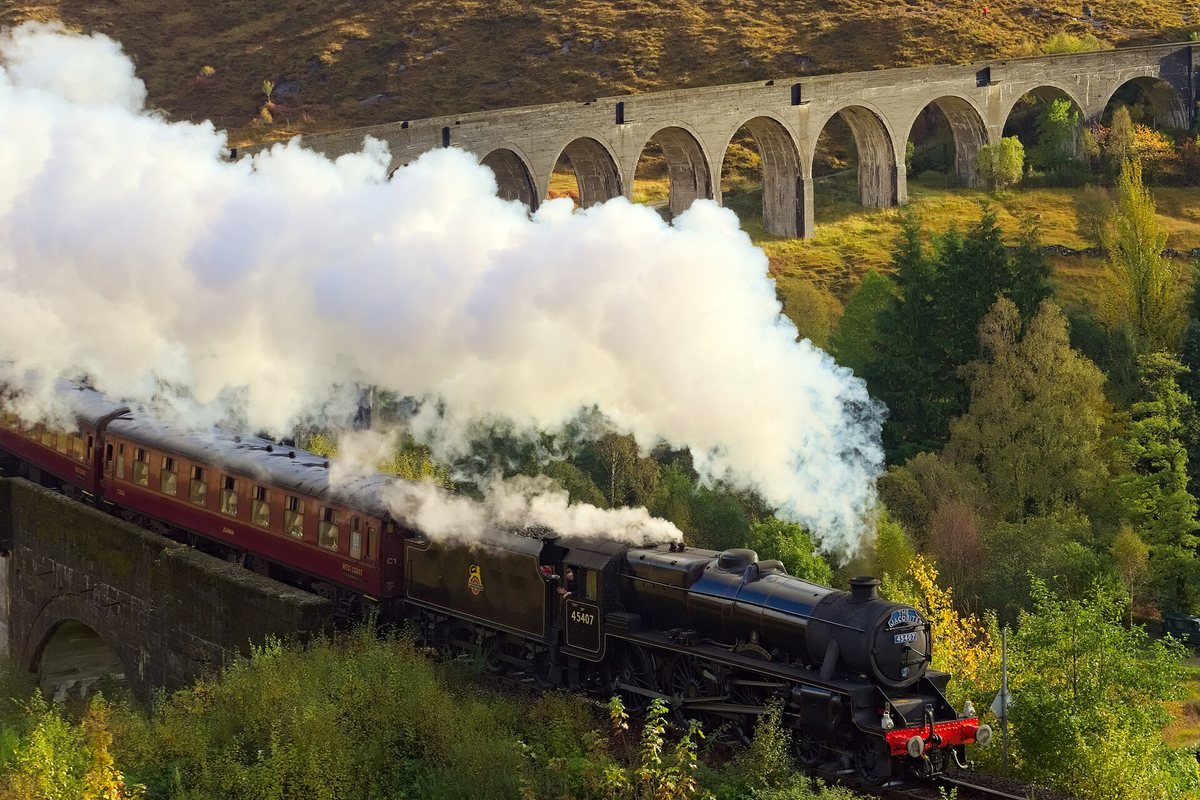
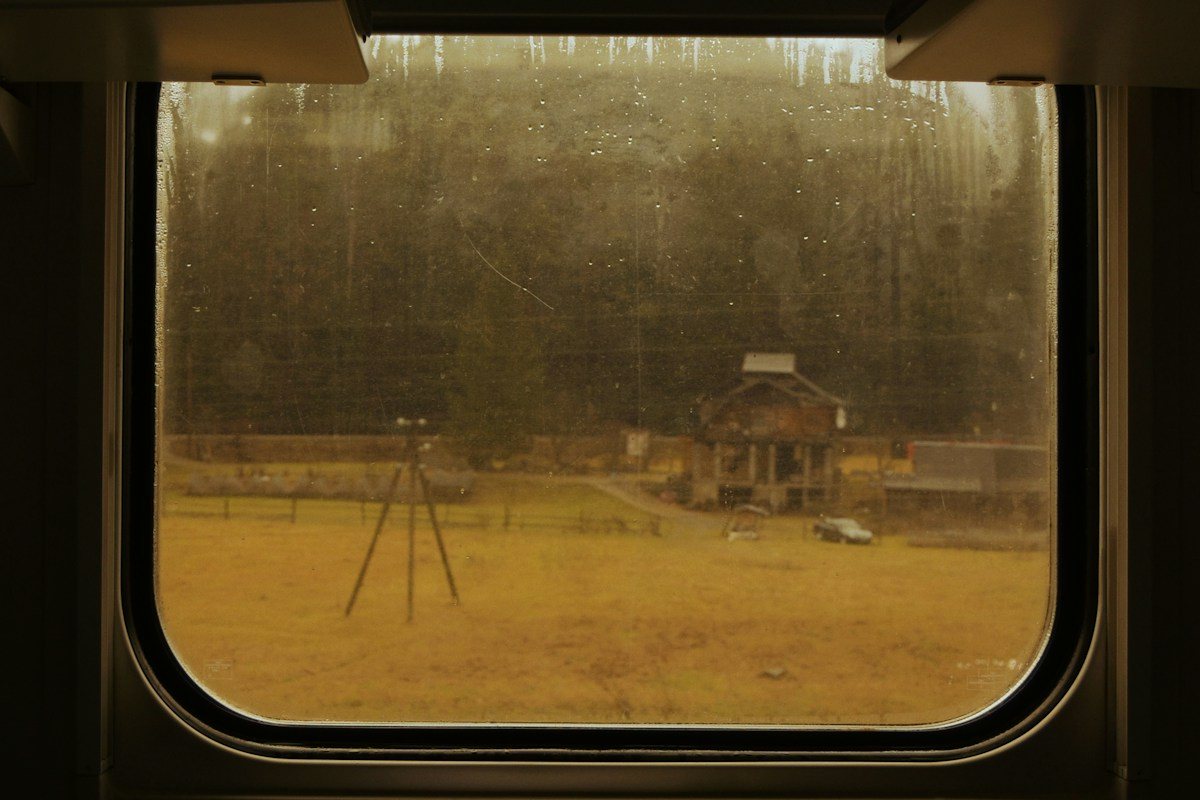
Build a train soundtrack with room for the landscape, the announcements, and a change of mind.
A familiar track can mark the moment between planning a trip and actually beginning it.
Before adding a soundtrack to a new city, hear what is already there.
A short passage needs less music than a long playlist suggests.
Travelling sometimes means listening on somebody else's terms.
Music for the hours when excitement has worn off and arrival is still far away.
The best souvenir may begin with a conversation about what you like.
Sharing the soundtrack of a journey requires a little room on both sides.
Marking a journey with what you heard, rather than what you expected to hear.
You can begin with the sound without assuming you understand the story.
A musical trip continues after the lights have come up.
The return journey deserves a soundtrack of its own.
A small offline collection can make listening feel less restless.
Not every view needs music added to it.
The least planned part of a trip can leave the strongest musical memory.
Returning to a place can loosen the meaning of its old soundtrack.
Three details are enough to keep a musical discovery from slipping away.
Armstrong's New Orleans story begins with teachers, mentors, and the practical education of playing.
Nina Simone's route from Tryon to an Atlantic City piano job resists a simple story about discovering a voice.
Dolly Parton's connection to the Smoky Mountains runs through family music, early work, and the stories a song can hold.
Prince's Minnesota story includes a family of musicians and a place built to support creative work.
Hansa offers a precise point of entry into Bowie's Berlin work, without turning the city into an explanation for everything.
The Beatles' Liverpool includes the ordinary rooms where early songs were worked out.
Mindelo, departure, and morna offer a richer introduction to Cesária Évora than a single melancholy image.
Amália Rodrigues's Lisbon story includes artistic change as well as continuity with fado.
Fela Kuti's Lagos history joins musical invention with the places where public argument could be heard.
Miriam Makeba's musical geography includes Johannesburg, exile, and a voice used on international platforms.
Piazzolla's tango language grew through movement, apprenticeship, and an unusually wide musical ear.
Ravi Shankar's journeys are best understood alongside the discipline and depth of his musical practice.
Sakamoto's path connects electronic music, collaboration, and an expanding attention to the world around sound.
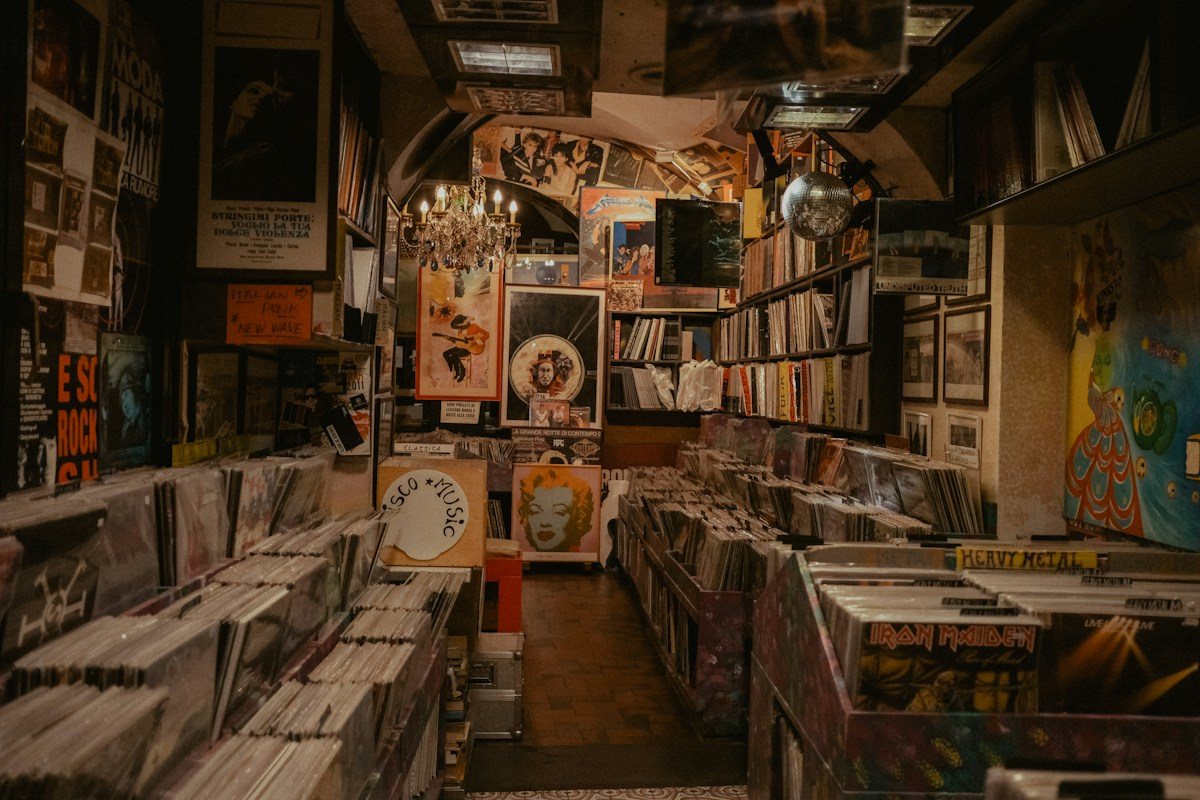
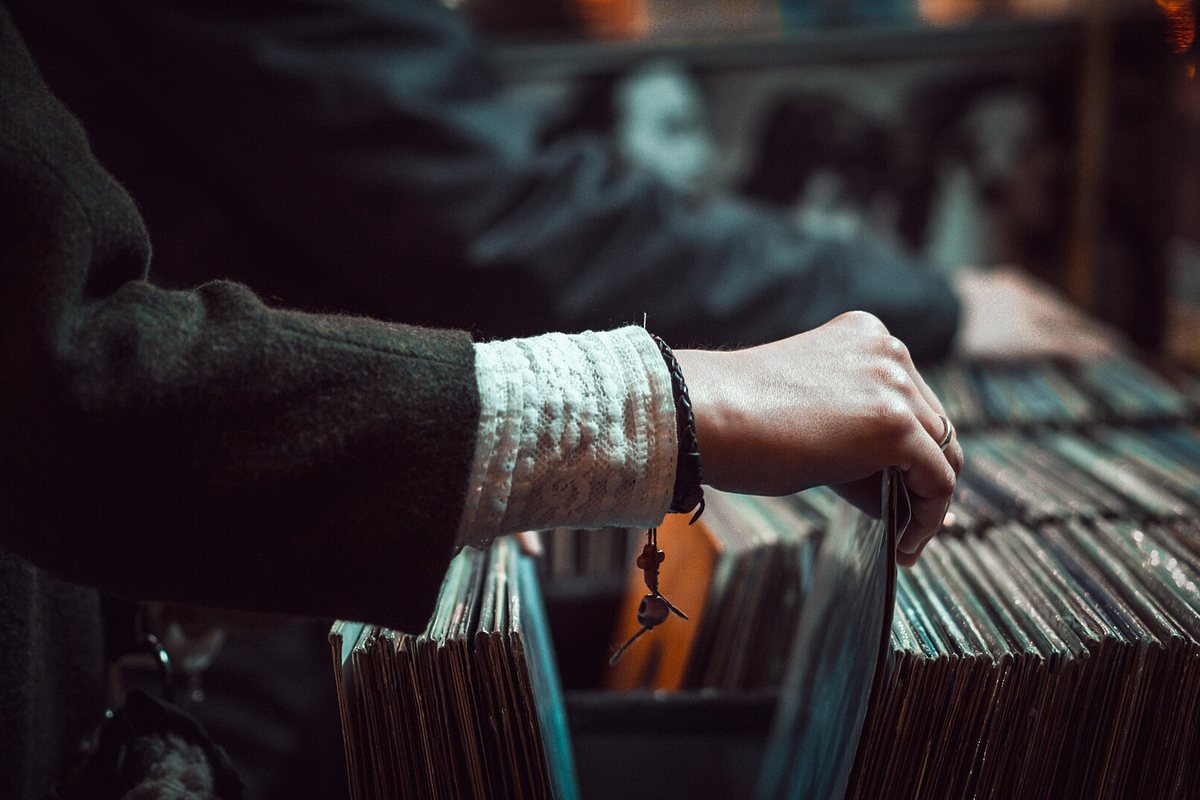
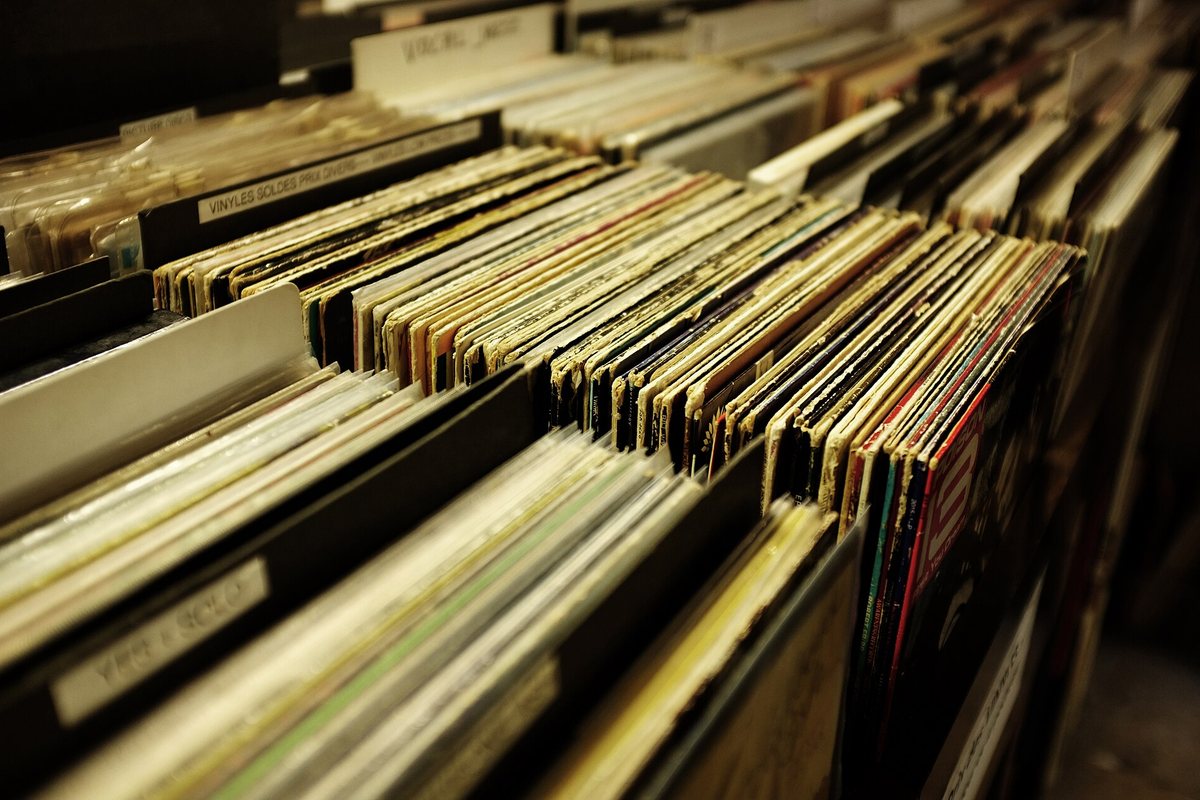
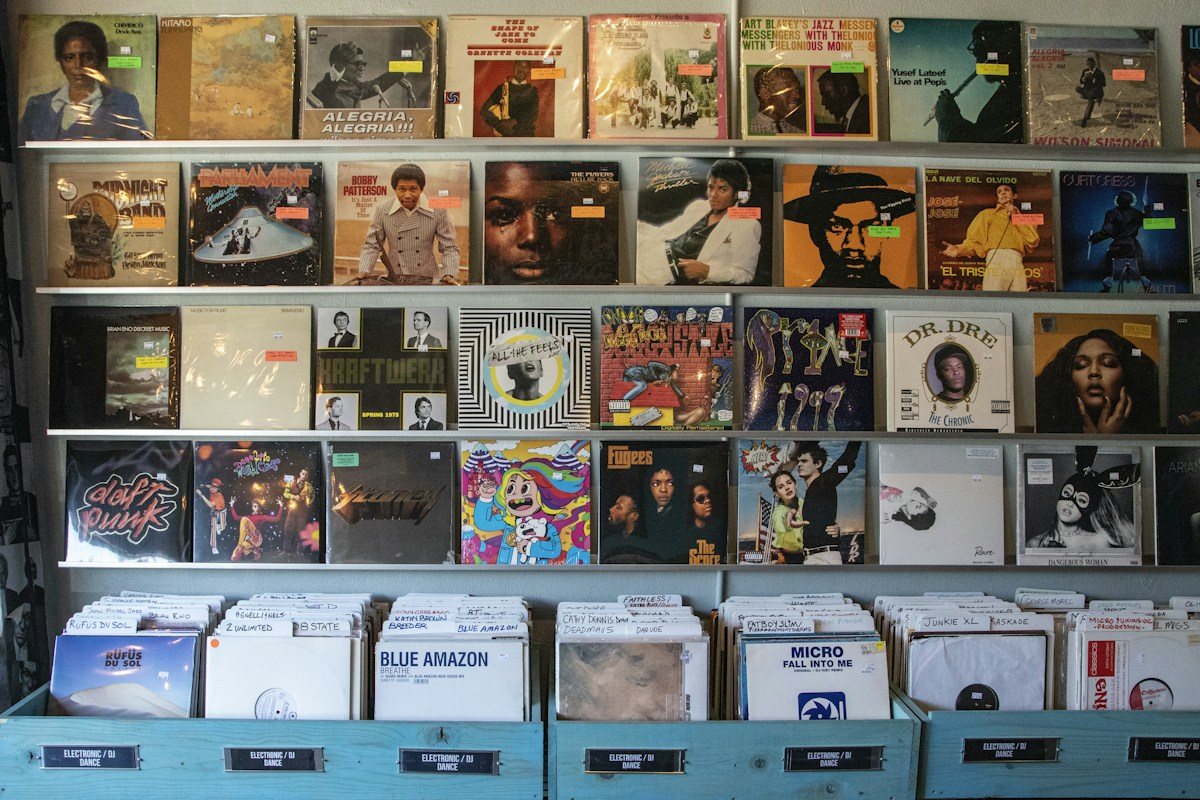
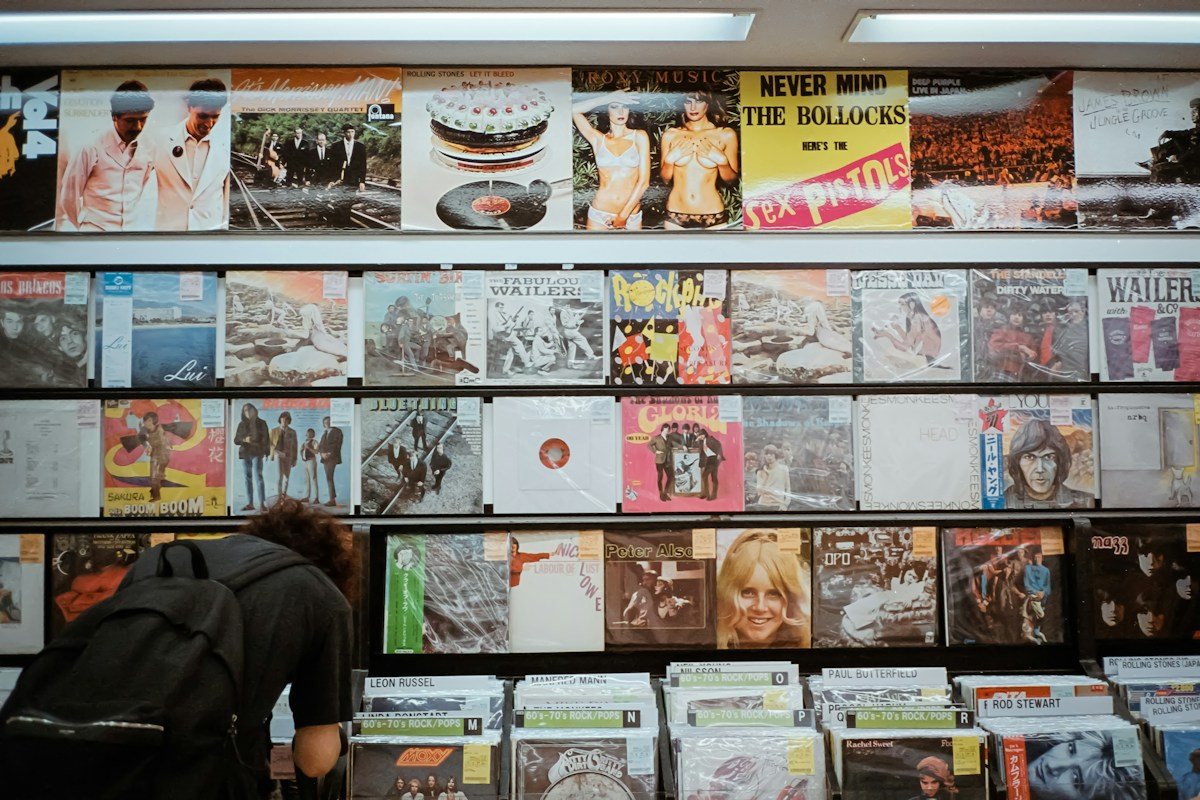
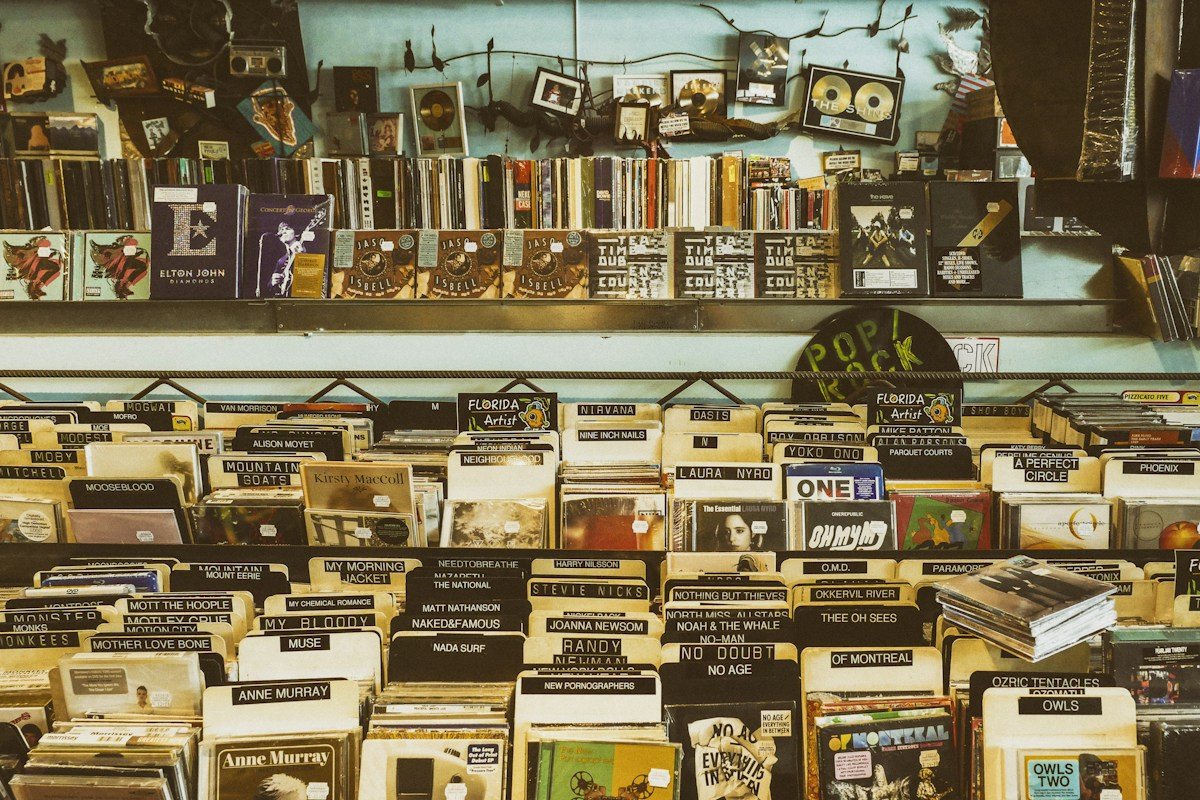
An old price sticker, a handwritten name, a worn corner: the music begins before the needle drops.
An album can change character after the songs everyone knows.
Credits offer routes through music that a genre label cannot.
You do not need expert vocabulary to ask for a thoughtful recommendation.
The space around a sound can be as revealing as the note itself.
Comparing recordings works best when you stop asking which one wins.
Finishing a record can be more satisfying than keeping a stream running.
A simple listening experiment for a record that has become too familiar.
A small, visible queue keeps musical curiosity from becoming an unread list.