A date on a record label is a useful landmark. It is a poor substitute for the beginning of a musical culture. The Original Dixieland Jazz Band's first recording in 1917 captured a music with a history already behind it.
In New Orleans, that history leads through overlapping communities and practices. Congo Square gatherings sustained African music and dance under slavery. Later, musicians drew on different rhythmic, instrumental, and social traditions in a city where those traditions met without becoming interchangeable. Buddy Bolden's band was active in the 1890s, well before the first jazz record.
No single location or musician can explain all of this. A birthplace story becomes more useful when it opens questions about learning, work, and exchange. Who played together? Where could people gather? What did a musician carry from one setting into another?
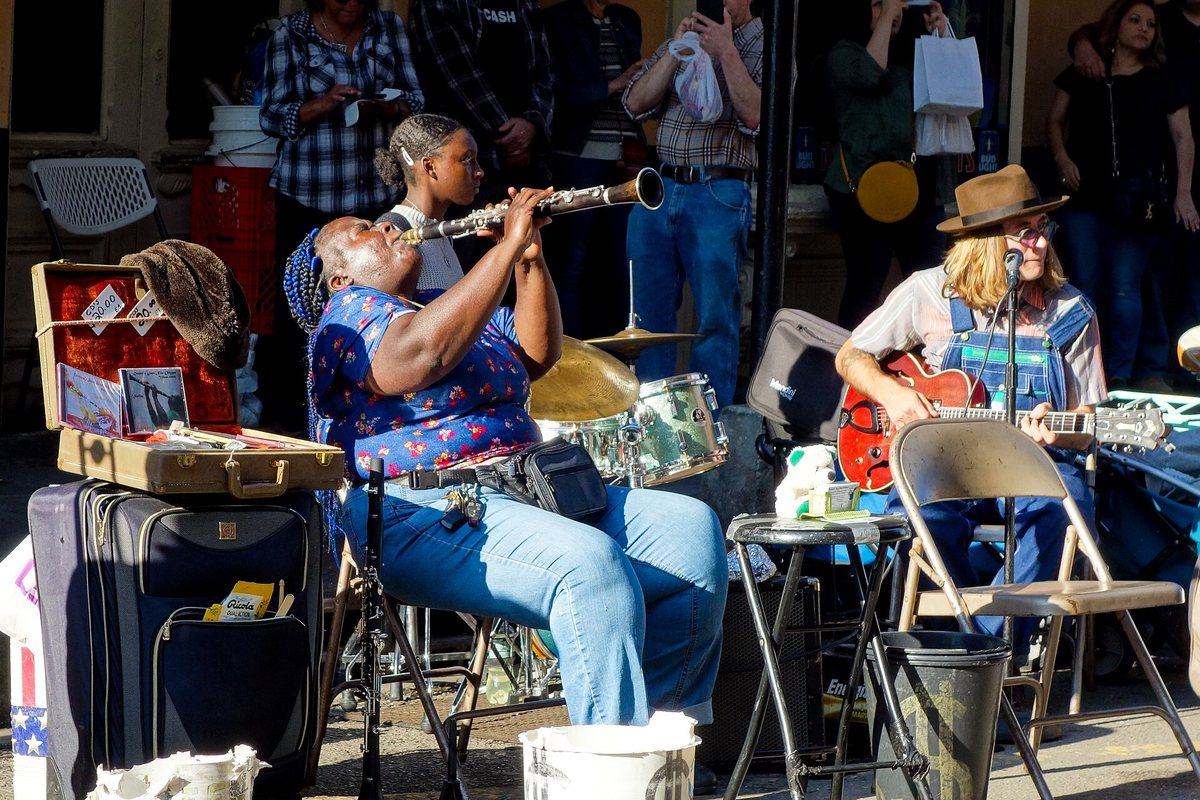
For a first listening session, choose an early ensemble recording and follow the interaction rather than searching only for a star soloist. Notice how one phrase leaves room for another, and how several lines can remain distinct while sharing a pulse.
Then listen to a later recording from the city. The point is not to demand that contemporary musicians preserve an old picture. It is to hear New Orleans as a place where music has continued to develop, with the past available as a resource rather than a finish line.