A visitor may arrive in Lisbon with one word ready for fado: longing. It is a useful association, but it cannot do all the listening. Fado is also a relationship between poetry, voice, accompaniment, and the people who carry the practice forward.
UNESCO inscribed fado in 2011. Its account situates the tradition in Lisbon communities and describes influences that include African-Brazilian dances and Portuguese rural and urban practices. Transmission happens through families and informal learning as well as professional settings.
Listen closely to the instruments around the voice. The twelve-string Portuguese guitarra and the accompanying guitar have distinct roles; the sound is not simply a singer placed over a general wash of strings. A response between phrases can be as telling as the phrase itself.
If you do not understand Portuguese, begin with phrasing and restraint, then seek reliable context for the words. Avoid assuming that every emotionally intense performance tells the same story. Poetry can be particular, ironic, tender, or difficult in ways a tourist shorthand does not capture.
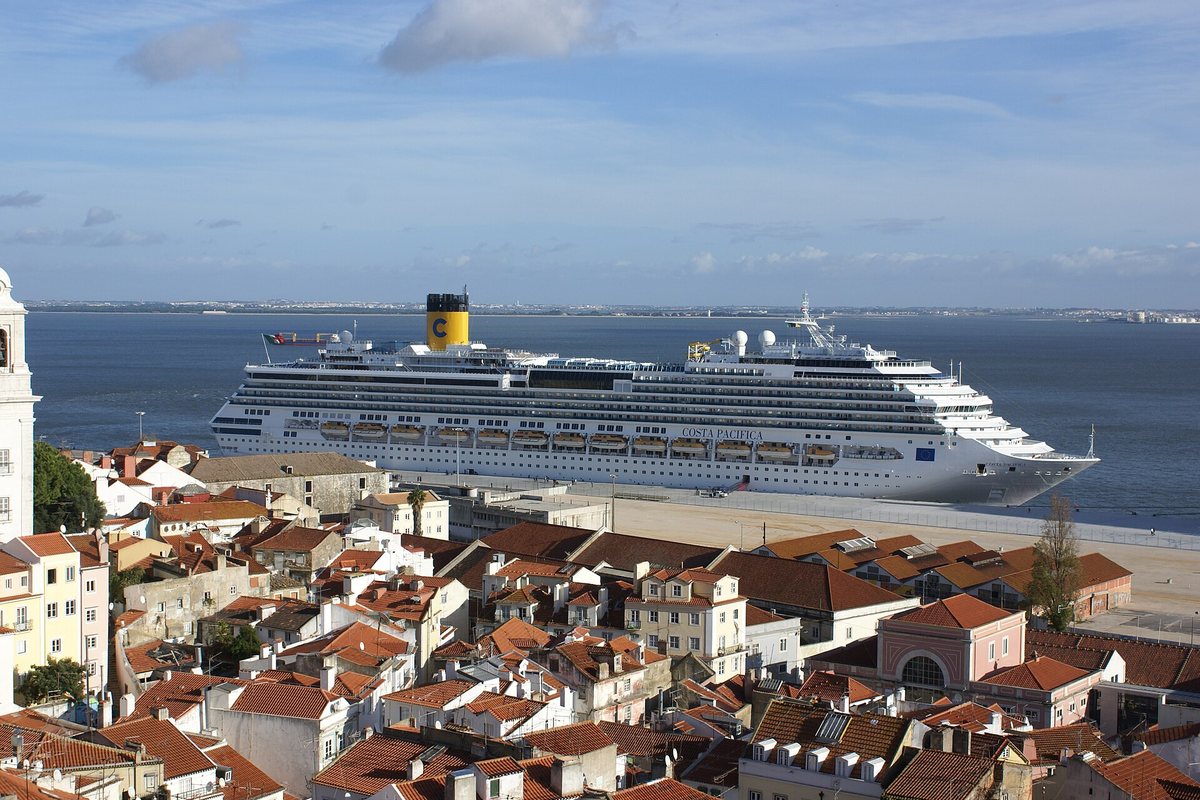
Lisbon offers a setting for learning that specificity. The most rewarding approach is patient: hear a whole performance, learn the names of the musicians, and let one song lead to another. A tradition becomes more approachable when it is allowed to be more than a mood.