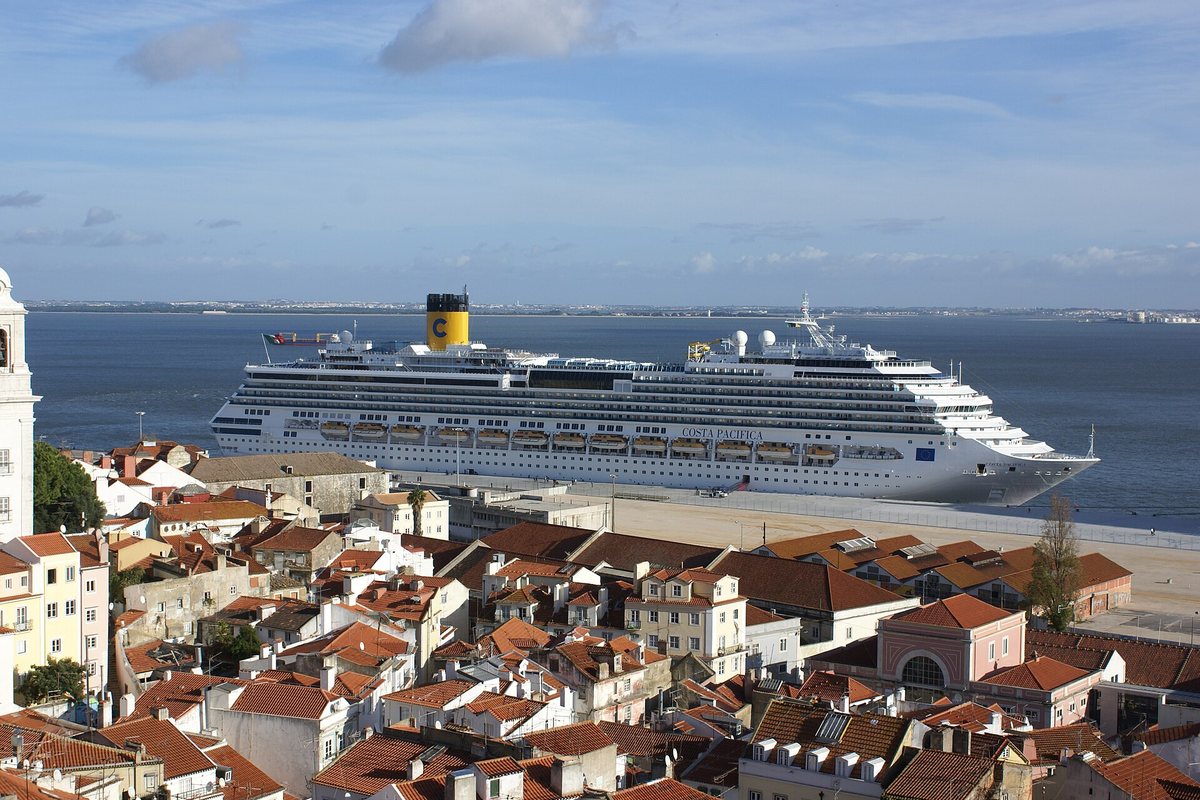
Amália Rodrigues was born in Lisbon's Pena district in 1920. Her name can stand so prominently for fado that it becomes easy to imagine her work as the preservation of something already complete. Her collaborations tell a more active story.
Alain Oulman contributed to the repertoire associated with the 1962 album Busto. Poetry by writers including David Mourão-Ferreira and Camões also entered her musical world. These connections point toward choices about language, composition, and how a tradition could expand.
Listen to a song with the text beside you in a reliable edition or translation. Notice where the musical phrase gives extra room to a word and where the voice seems to move quickly through a line. The relationship between poem and performance is not merely the addition of melody to words.
Then listen again without reading. A translation can help explain the subject while drawing attention away from the sound if you depend on it continuously. Both approaches are useful in turn.
Lisbon gives Rodrigues's story a place, but the more revealing question concerns what she did within the music. A tradition can remain recognizable while its repertoire changes. Her work offers a reason to hear fado as a field of artistic decisions, not only as a vessel for an inherited atmosphere.