A street performance gives you a small decision before it gives you a song: keep moving, or stay. There is no ticket to justify, no seat with your name on it. You can hear three bars and leave. That freedom makes choosing to listen feel unusually deliberate.
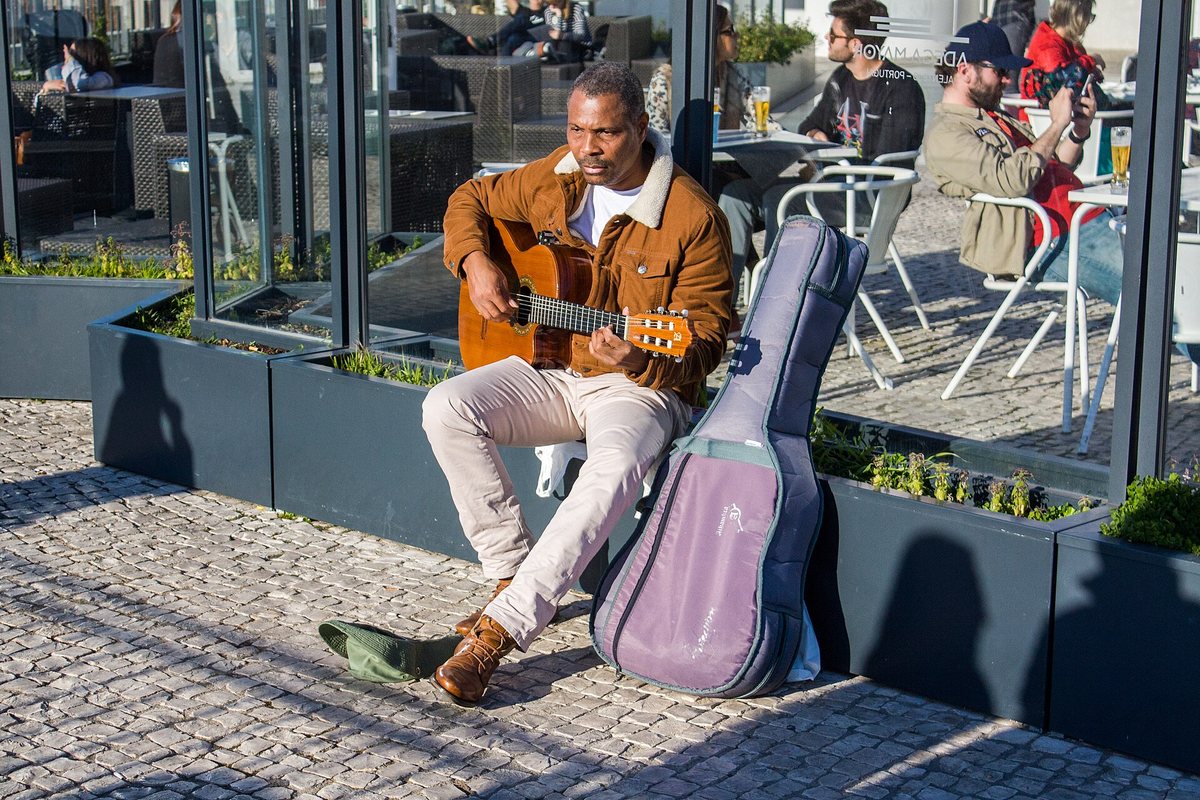
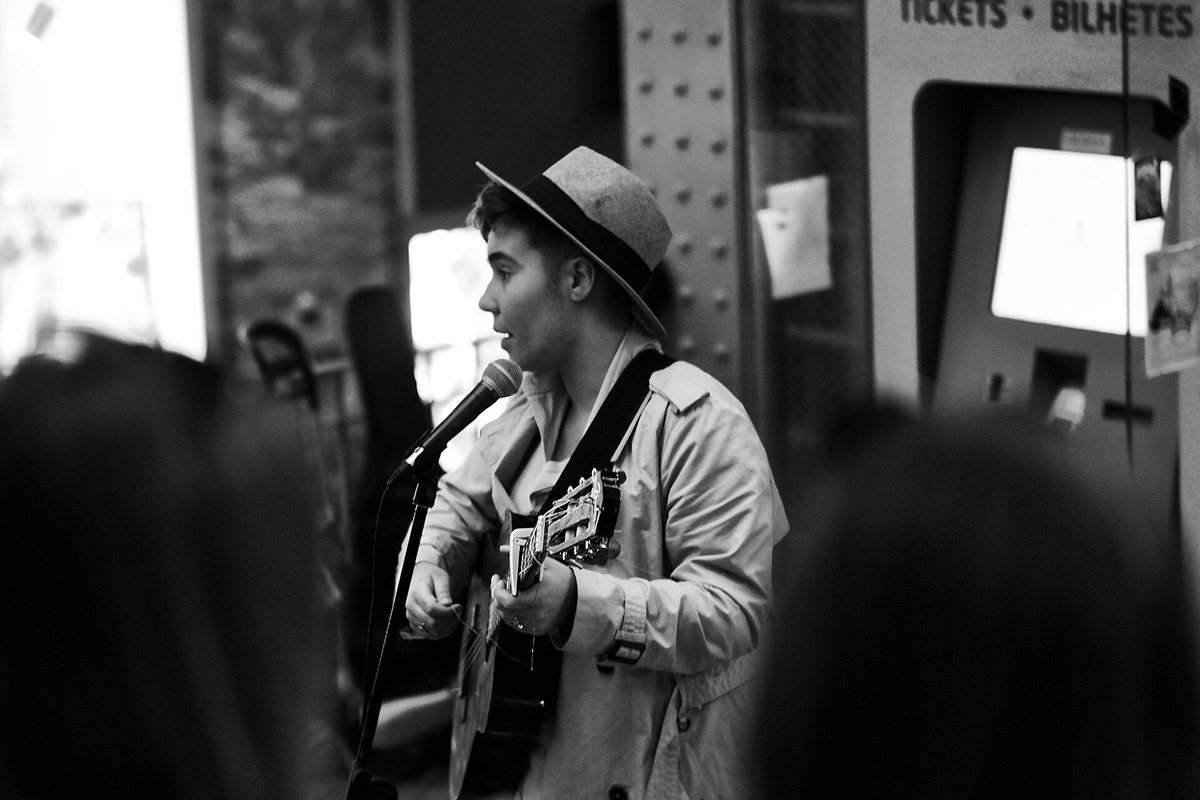
Start with what is actually happening. A guitarist may be building a rhythm that needs another player who isn't there, making the bass line, chords, and melody take turns. A singer may leave space for traffic rather than fight it. Those choices tell you more than deciding whether the performance matches the recording you already know.
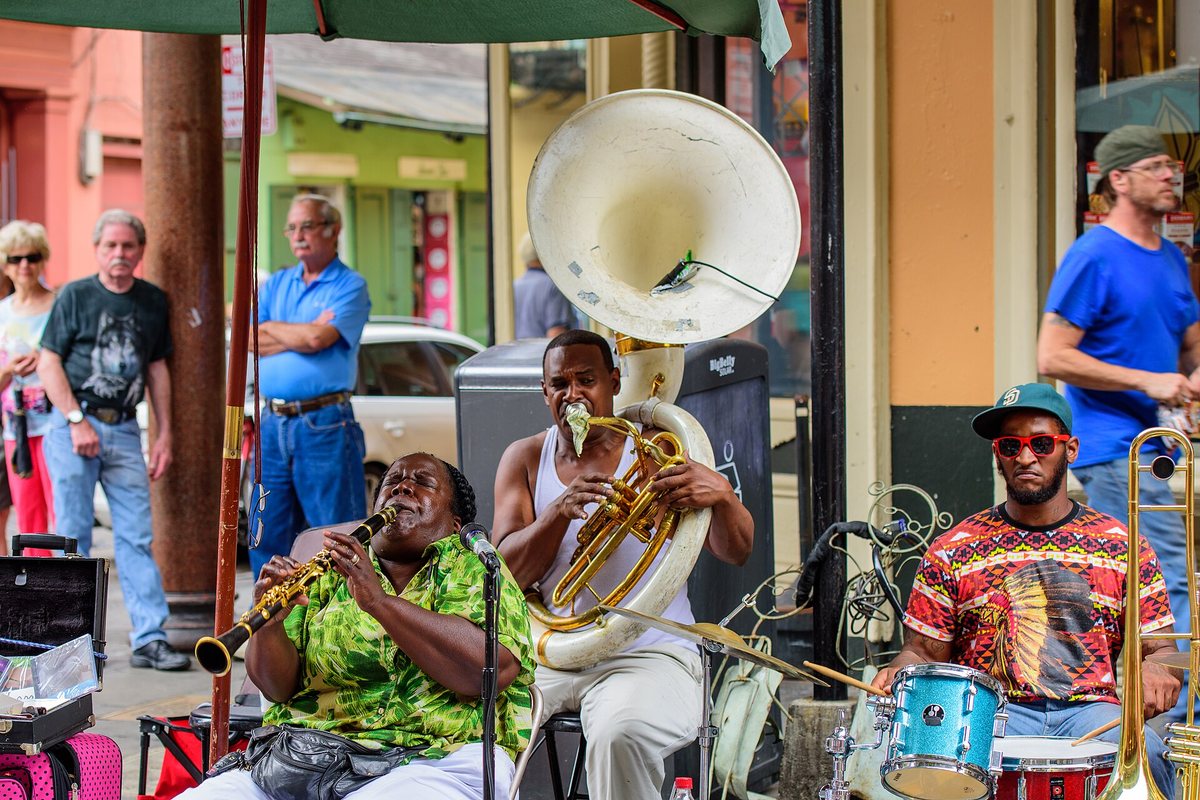
Where you stand matters. A doorway isn't a spare viewing area, and a narrow pavement doesn't become a concert hall simply because the music is good. Leave room for people who need to pass. You can be part of an audience without forming a wall around someone else's day.
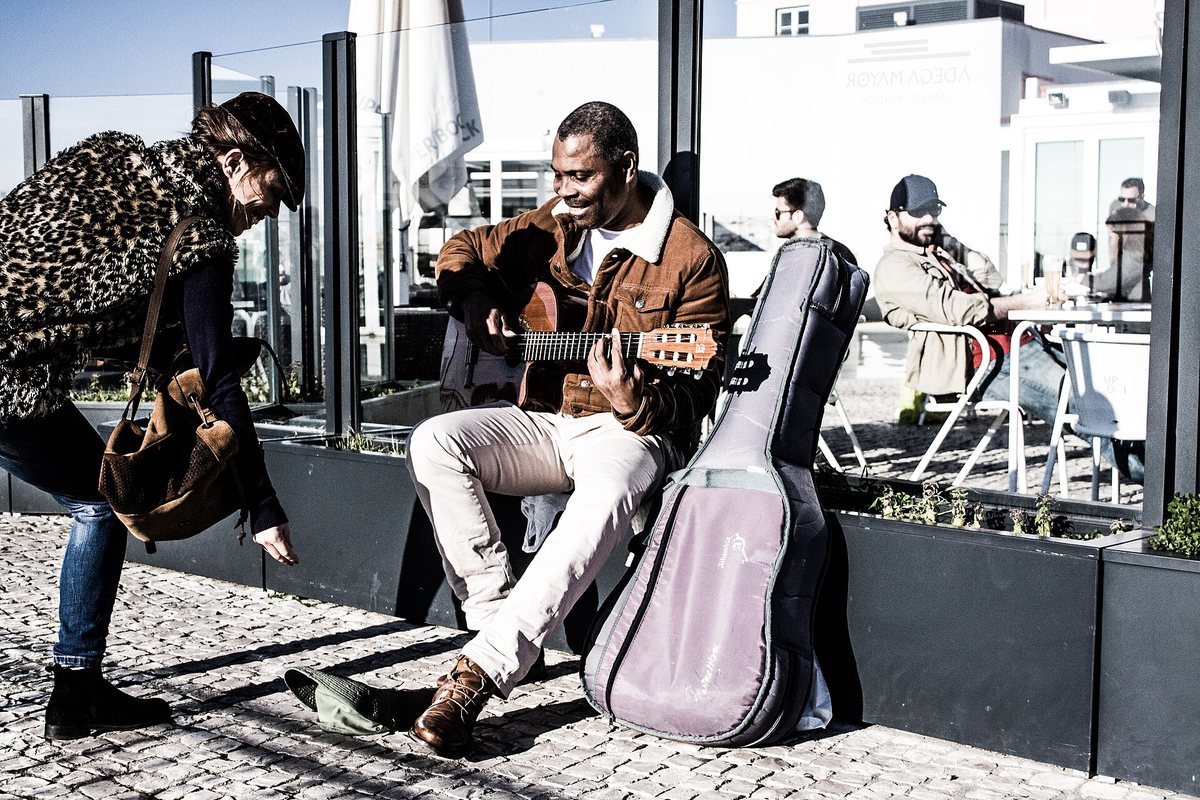
Listen through an ending if you have the time. The last phrase often explains the shape of the song. Then there is a brief return to ordinary sound: wheels, voices, a zipper closing on a case. Applause acknowledges the work; a contribution, when welcomed and affordable, helps support it. Neither requires a performance of generosity for your camera.
You may never learn the musician's name. If a sign or conversation offers a way to hear more, take it. A brief encounter can lead to an album, a venue, or a part of the city you wouldn't otherwise have noticed. But it can also remain brief. Not every good moment needs to become a recommendation, a recording, or a story you own.
The light changes. Your afternoon continues. For a few minutes, though, the street was somewhere to be, not only somewhere to get through.