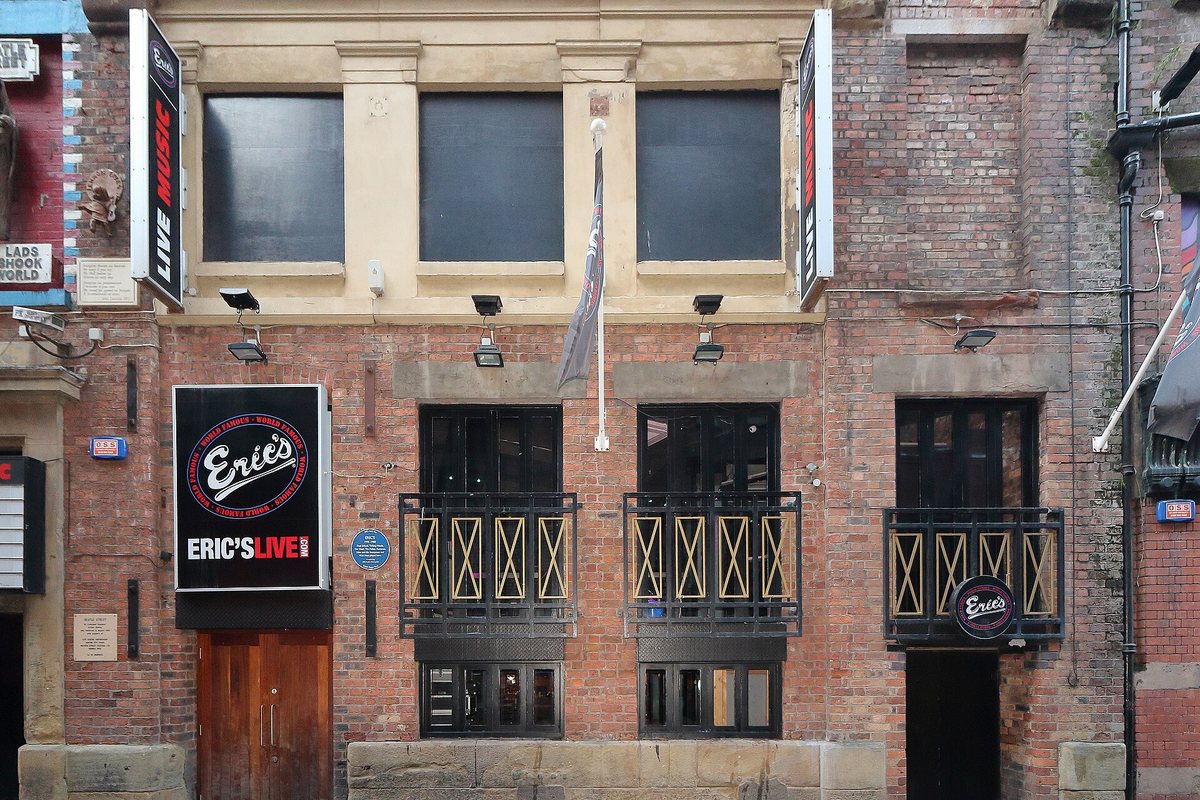
The Cavern opened as a jazz club in 1957. The Beatles later played there 292 times between 1961 and 1963. Put those facts beside each other and the familiar Liverpool landmark becomes a working stage with a changing programme.
Under Ray McFall, the club's musical direction shifted. Other names belong in the picture, including Gerry and the Pacemakers. Cilla Black's work in the cloakroom places another future star within the venue's everyday life rather than only under its lights.
Repeated performance is the detail that stays with me. Nearly three hundred appearances suggest a relationship with an audience built through return, variation, and experience. A band does not encounter a room once and carry away all it can learn.
Listen to an early Beatles recording with that practical background in mind. Hear how the voices meet, how quickly an arrangement establishes itself, and where a short instrumental passage changes the energy. The songs can be familiar enough that their economy goes unnoticed.
Liverpool's musical appeal extends beyond this one story, but even the famous story becomes richer at this scale. The Cavern is more than a place to attach a photograph to a band name. Its history points toward the repetitions and ordinary jobs through which a local musical world was sustained.