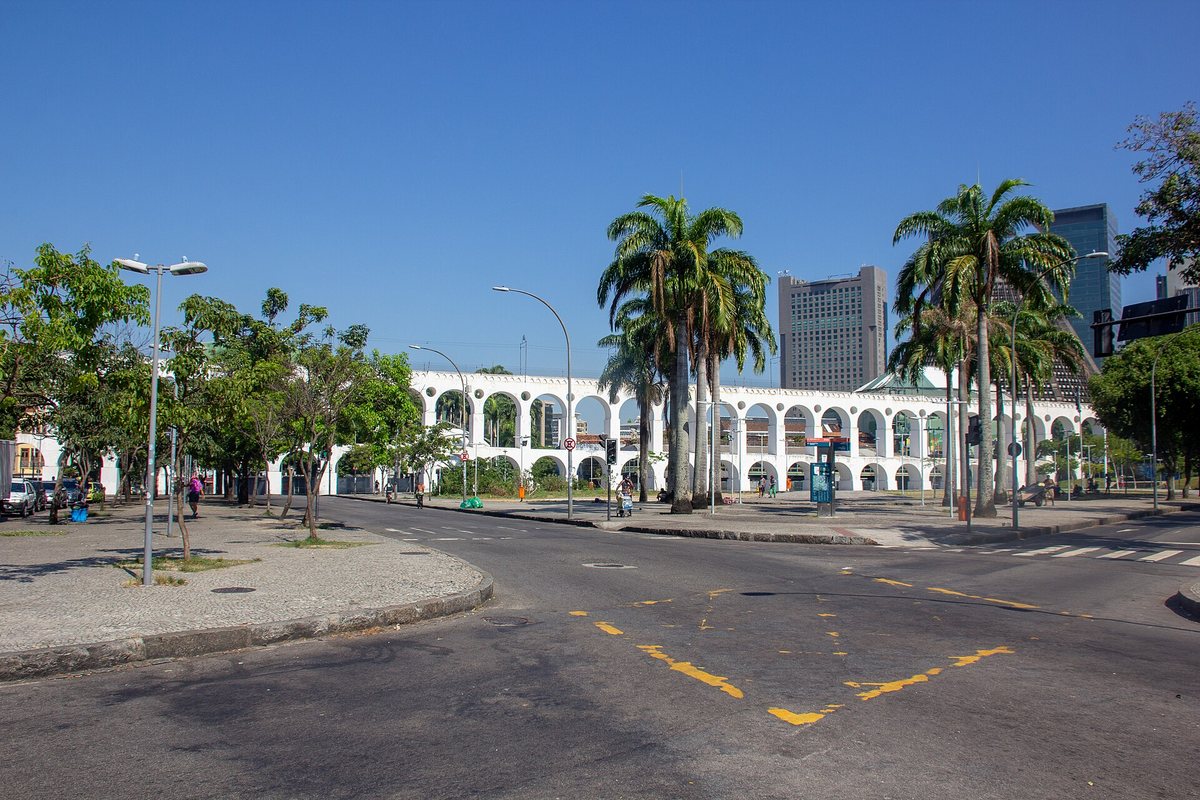
Rio's musical imagery often begins with a spectacle. Pedra do Sal offers another starting point: a place in the port area associated with Pequena África, or Little Africa, and with Afro-Brazilian community history.
Its connection to samba sits alongside histories of slavery, resistance, and belonging. The community received quilombo recognition from Fundação Cultural Palmares in 2005. That recognition should keep the story from becoming merely an attractive background for an evening out.
A place can be both musically significant and part of people's continuing claims to history and community. Visitors benefit from learning that context before arriving. Heritage is not only what has been preserved for an audience; it also concerns who has lived, worked, and sustained relationships there.
When listening to samba, follow the interplay of the parts rather than hearing percussion as a general wash of excitement. Notice the repeating figures, the changes of emphasis, and the way the voice sits among them. A lively surface can contain a finely balanced structure.
Pedra do Sal does not explain all of Rio's music, nor should one neighborhood be made to carry that burden. It provides a specific route into the city's past and present. The music becomes more meaningful when the people and histories around it remain in view.