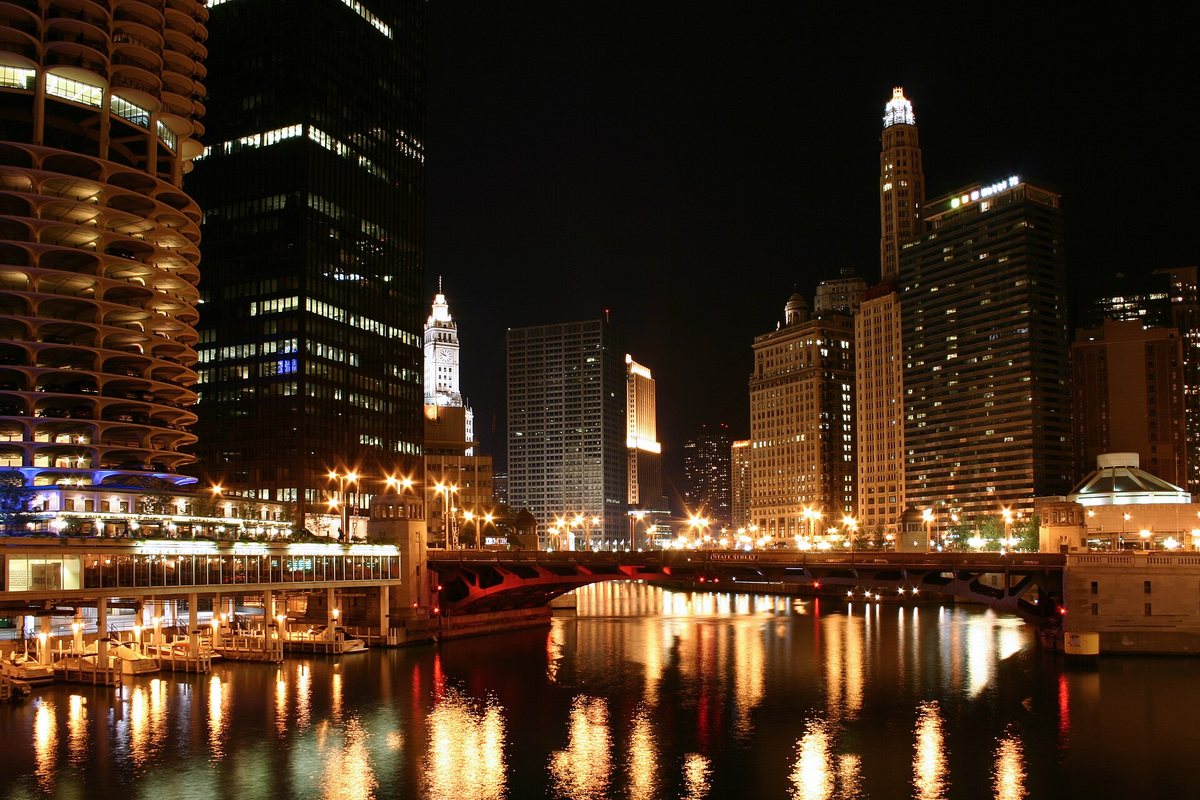
The distance between the Mississippi Delta and Chicago was more than a change of scenery. Black musicians moving north during the Great Migration carried musical knowledge into different working lives, audiences, and performance settings.
Chicago blues developed through that movement. Amplification became part of its language, while places such as Maxwell Street Market provided a public setting for music. The careers of Muddy Waters, Howlin' Wolf, and Willie Dixon, and the recordings associated with Chess, offer several routes into the story.
It is tempting to summarize the change as an acoustic guitar acquiring a plug. That is too small an explanation. Listen for how a band organizes its force: the relationship between a repeated figure and a vocal phrase, the use of a held note, the way a rhythm can feel heavy without becoming slow.
Compare recordings rather than imagining a single definitive Chicago sound. Different singers and players use space differently. One performance may press forward; another may seem to let each phrase settle before answering it.
The city is useful here as a setting for transformation. Music arrived with people, encountered new conditions, and changed through practice. A blues itinerary becomes more meaningful when a famous address points toward those lives and relationships, rather than serving only as proof that a celebrated record was made nearby.