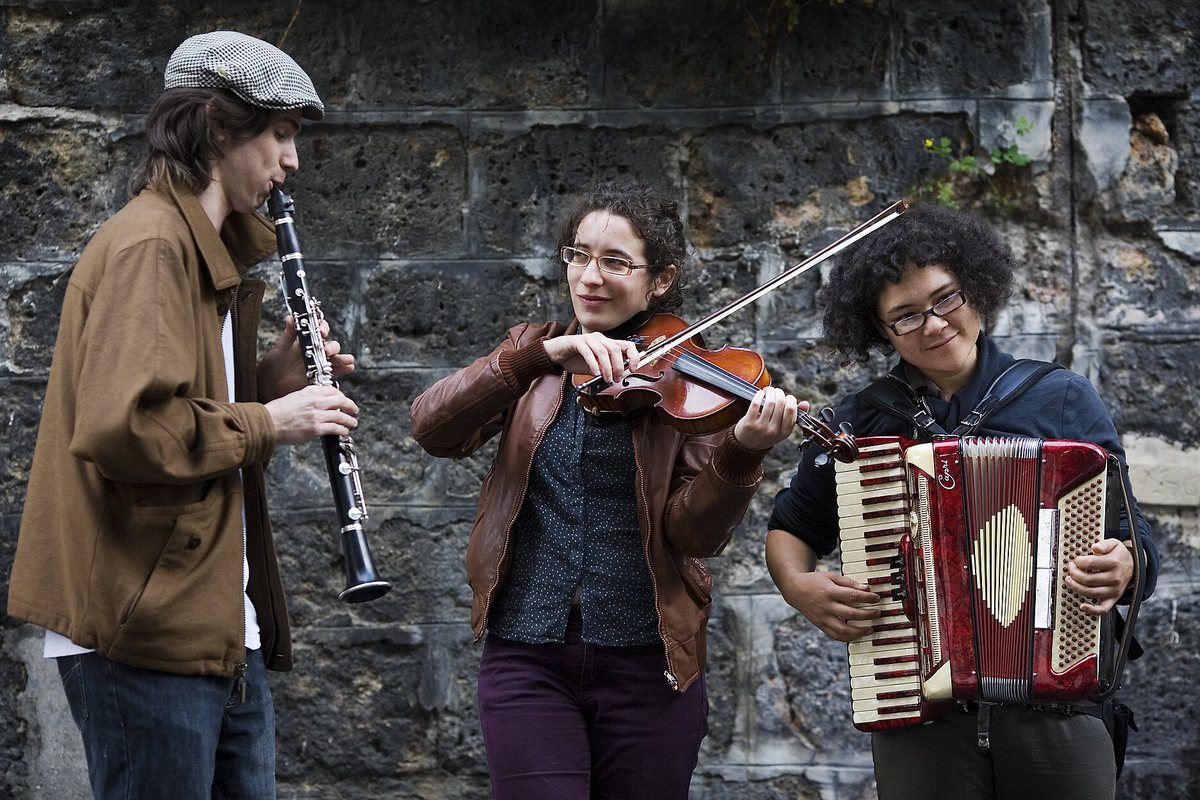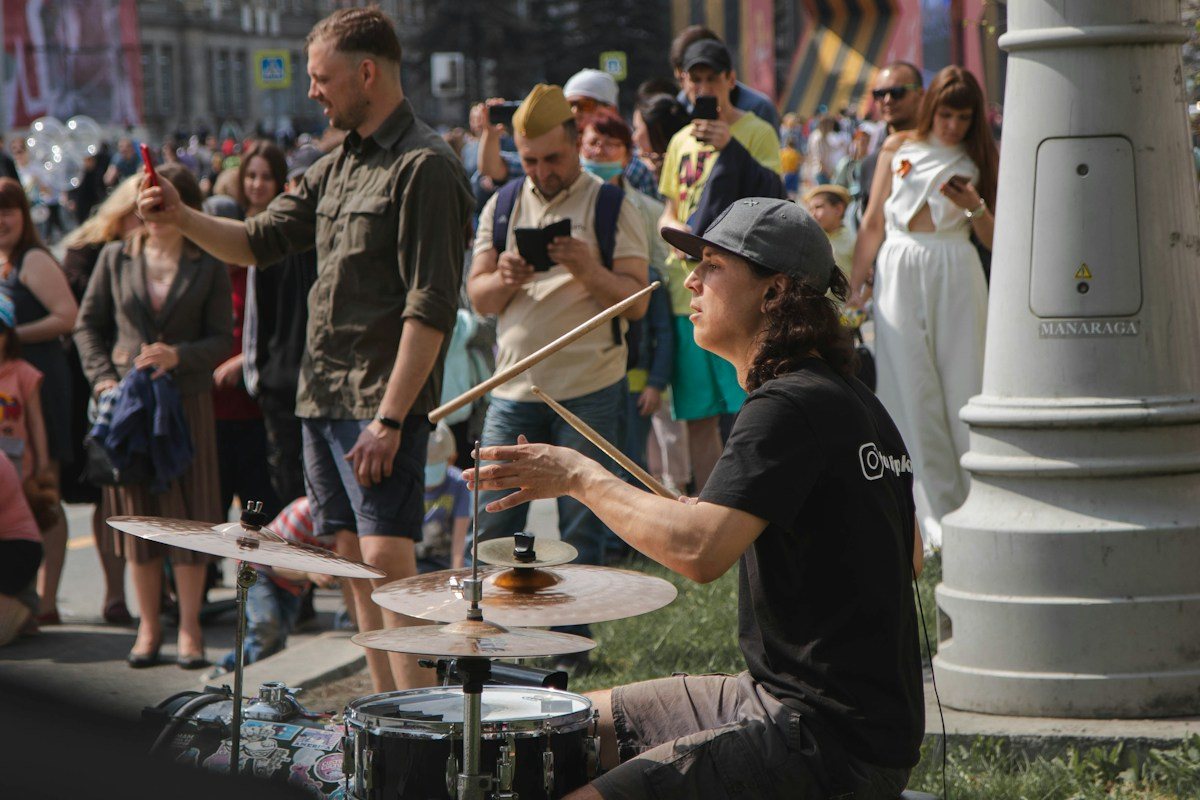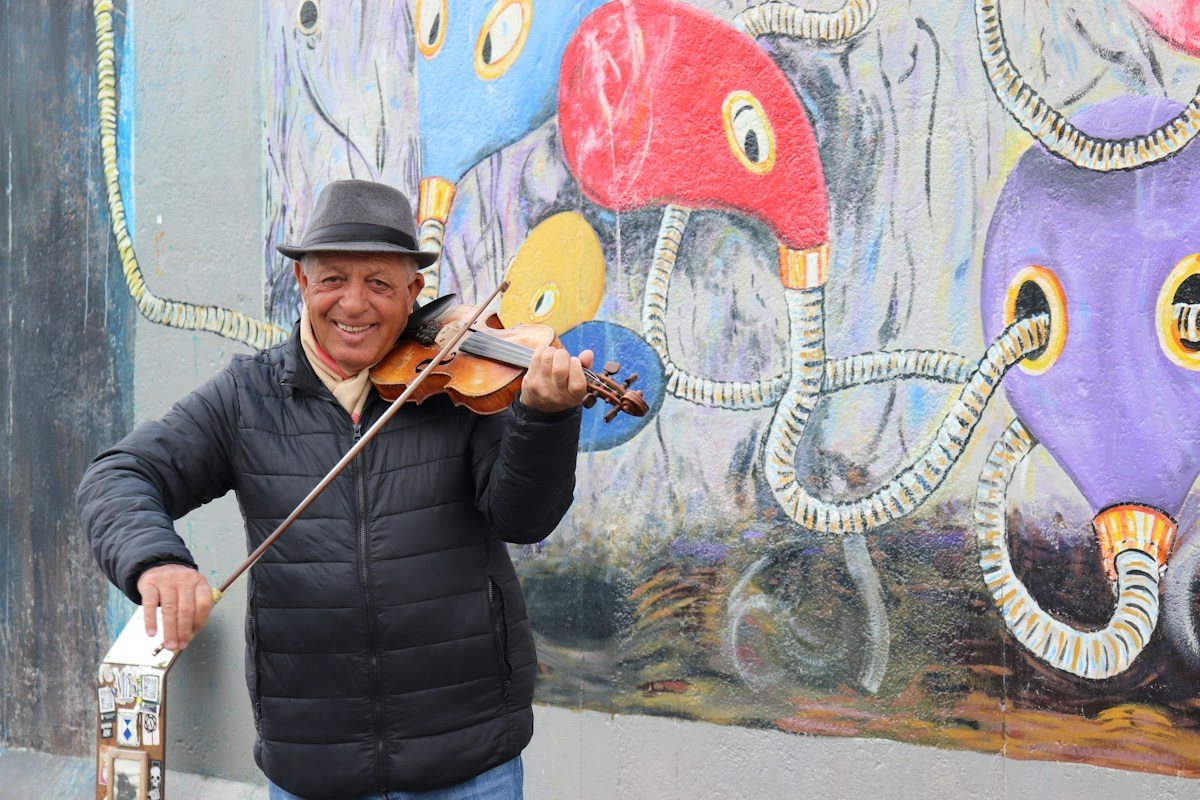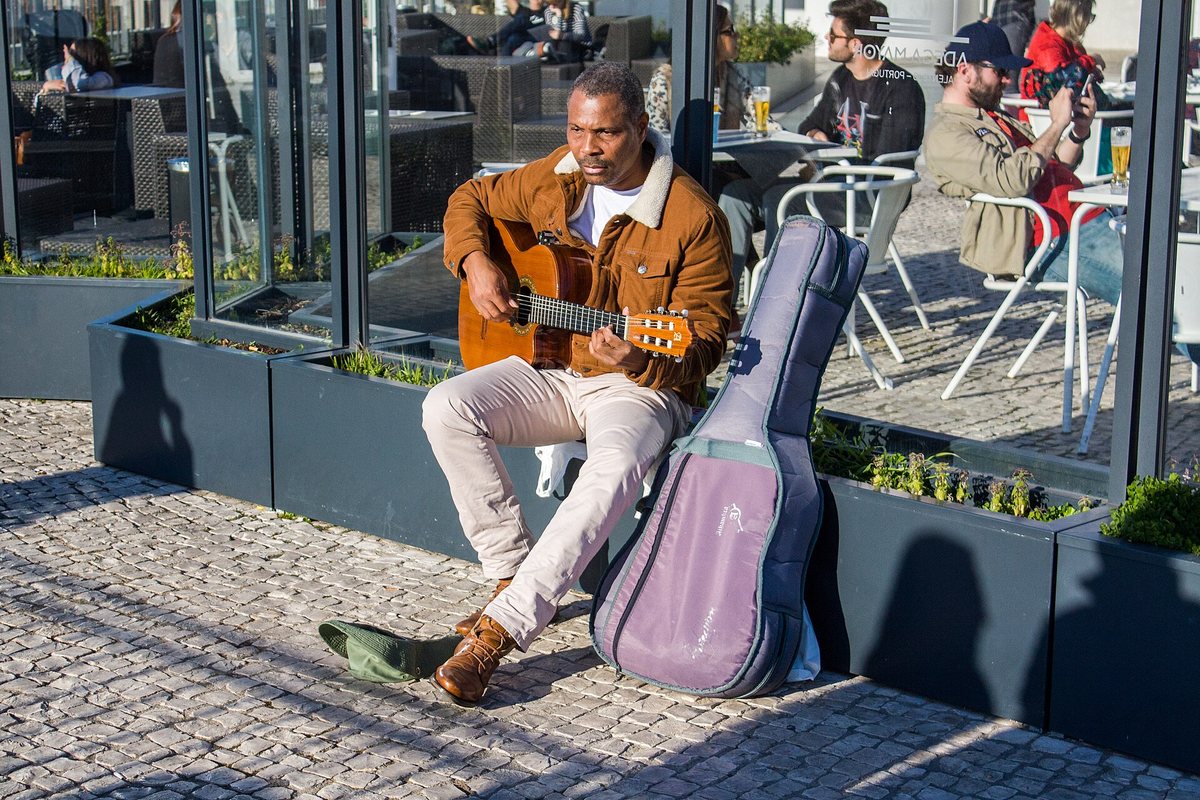
An open instrument case makes the economics of a performance visible. The music is available to passersby, but it still requires an instrument, preparation, travel, and someone's time. You can enjoy the spontaneity of the encounter while recognizing the work behind it.
If a performer welcomes contributions and you want to give, do so in the way they indicate. A case, a sign, or another clearly offered method removes the need to interrupt the song with questions. Keep access to the instrument and any equipment clear. Coins dropped from a theatrical height make more noise than thanks.
There is no universal amount that explains every city, budget, or performance. Treat your contribution as something you freely offer, within your means. It needn't purchase a request, a photograph, a conversation, or the right to decide how long the musician stays.
Children sometimes enjoy contributing. Let them know what they are doing and supervise without turning the musician into a prop for a photograph. A simple acknowledgment can be enough. The person performing may be concentrating on the next passage.
Money is not the only way to show attention, but appreciation and payment are not interchangeable either. A respectful audience matters; so can buying a recording or following an artist's own work later. The useful question is not how to look generous. It is how to respond to the invitation actually being offered.